* Some links may be affiliate links. See the footer disclosure.
Self watering pots can be useful for windowsill herbs, busy renters and small-space gardeners who struggle with watering. They are not a cure-all. Some herbs like steady moisture, while others dislike staying damp. The best pot depends on the herb, the windowsill, the reservoir design and how easy it is to check.
This is a buyer guide framework to help you compare common self-watering planter types. It does not claim hands-on testing of every model, and it focuses on what to look for before buying.
What self-watering herb pots do
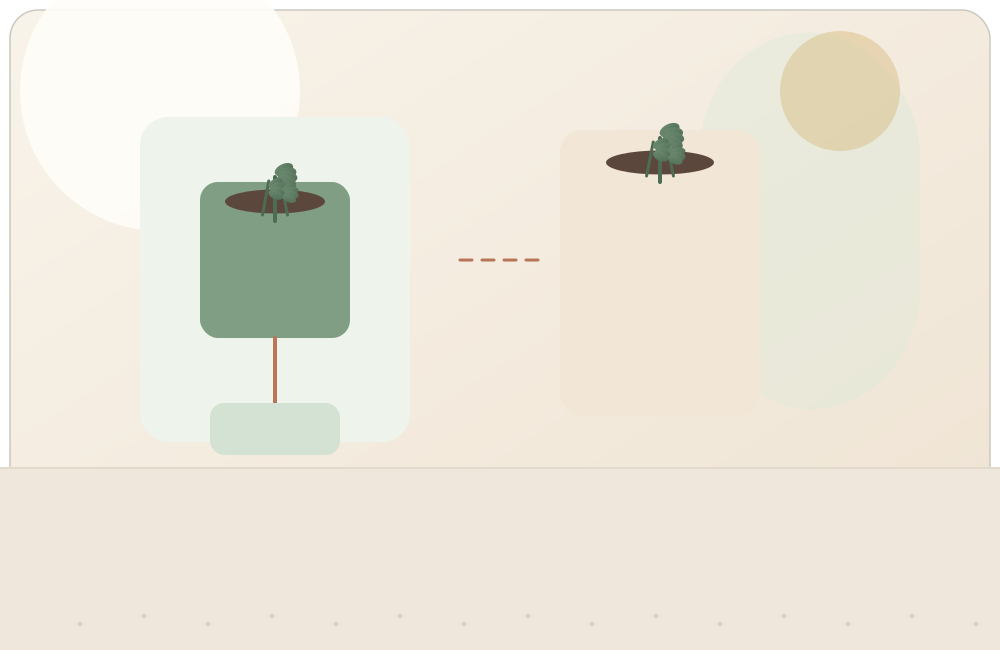
A self-watering pot stores water in a reservoir. The plant takes up moisture through a wick, capillary mat or contact with the lower compost.
This can reduce the dry-wet cycle that stresses herbs. It can also hide problems if you stop checking the plant. Reservoirs run dry, wicks fail, and some herbs dislike constant moisture.
For basic watering principles, read How Often Should You Water Plants in Pots in the UK?.
Herbs that suit self-watering pots
Self-watering can suit herbs that prefer steadier moisture:
- Parsley
- Chives
- Mint
- Basil in warm bright months
- Coriander as a short-term crop
It is less ideal for herbs that prefer drier, freer-draining conditions:
- Rosemary
- Thyme
- Sage
| Herb | Suitability for self-watering pots | Why |
|---|---|---|
| Parsley | Good | Prefers steadier moisture and suits a bright sill |
| Chives | Good | Tolerates even moisture well in containers |
| Mint | Good with space | Likes moisture but needs room and its own pot |
| Basil | Mixed | Useful in warm bright months but dislikes cold damp conditions |
| Rosemary or thyme | Usually poor | Often prefer freer-draining compost and drier conditions |
For herb choice, read Best Herbs to Grow on a Windowsill in the UK.
Features to look for
Visible water level
A water-level indicator helps you avoid guessing. If there is no indicator, the pot should still be easy to check.
Easy refill point
You should be able to refill without soaking leaves or lifting the whole plant every time.
Stable shape
Windowsills can be narrow. Choose a pot that sits securely and does not become top-heavy.
Easy cleaning
Reservoirs can collect algae or residue. A design that comes apart is easier to maintain.
Sensible size
Tiny self-watering pots may still dry quickly. Oversized pots can keep small herbs too wet.
What to avoid
Avoid pots where you cannot see, clean or understand the reservoir. Avoid decorative pots that claim self-watering but give no way to manage excess water.
Avoid using self-watering pots as an excuse to ignore herbs for weeks. They reduce checking, not eliminate it.
Self-watering planter options to compare
Before comparing products, decide whether you need a small herb pot for a sill or a longer self-watering window box for several plants. Check dimensions, reservoir access and cleaning before buying. The small-space gardening kit list covers self-watering options alongside other beginner supplies.
- Self-watering herb pots: See examples
Self-watering pots for renters
For rented homes, a self-watering herb pot should protect surfaces. It should not leak onto a wooden sill, laminate floor or shared balcony.
Test any new pot on a tray first. Fill the reservoir and check for leaks before placing it somewhere visible or delicate.
If budget matters, you may prefer DIY Self-Watering Planter from Bottles before buying a dedicated pot.
How to use one well
Start with one herb rather than a full set. Fill the reservoir, then check the compost daily for the first week. Notice whether it stays evenly moist, dries too quickly, or becomes too wet.
Do not keep topping up blindly. Let the plant and compost tell you whether the system is working.
What to compare before buying
Useful comparison points include:
- Reservoir size
- Water-level visibility
- Pot dimensions
- Stability
- Cleaning access
- Replacement wick availability
- Suitability for supermarket herbs
- Whether it fits common UK windowsills
Matching pot style to the herb
Not every herb wants the same self-watering pot. Parsley and chives are more forgiving of steady moisture. Mint is thirsty, but it can become vigorous, so it needs enough room and should usually be kept in its own container. Basil likes moisture in warm bright weather but can struggle if it sits cold and damp.
Rosemary, thyme and sage often prefer sharper drainage and brighter outdoor conditions. They may be better in normal pots where you control watering more directly. If a self-watering pot keeps their compost constantly wet, it is the wrong match.
The safest approach is to test one herb first. If it grows well for several weeks, repeat the setup. If it declines, do not buy a matching set just because it looks tidy.
Windowsill practicality
Many self-watering herb pots are sold for kitchen windowsills, but UK windowsills vary. Some are narrow, shaded, cold in winter or directly above radiators. A pot that looks good online may be awkward if it is too deep, too tall or difficult to refill in place.
Before buying, measure the sill and think about daily use. Can you open the window? Can you refill without lifting the whole planter? Can you turn the pot if the herb leans? Can you clean around it?
This is especially important in rented flats where water marks and spills are frustrating. A tray or waterproof surface protection may still be sensible even with a self-watering design.
What to check in product details
The most useful comparison table is not “best-looking pot”. It should compare practical details:
| Feature | Why it matters |
|---|---|
| Reservoir visibility | Helps prevent guessing and dry reservoirs |
| Refill access | Makes regular use less fiddly |
| Cleaning access | Reduces stale water and residue |
| Pot depth | Affects root space and moisture balance |
| Stability | Matters on narrow sills and balconies |
| Replacement parts | Useful for wick-based designs |
These are the details that affect whether a pot still feels useful after the first week.
Supermarket herbs in self-watering pots
Self-watering pots can help supermarket herbs, but they do not fix every issue. Many supermarket herbs are crowded, stressed and grown for quick sale. Repotting can help because it gives roots more compost and space.
For basil, warmth and light are as important as water. For parsley and chives, a self-watering pot may provide steadier moisture. For mint, give the plant room and expect strong growth if conditions are good.
If the herb is already yellow, collapsed or mouldy, a new pot may not rescue it. Start with the healthiest plant you can find.
When not to buy one
Do not buy a self-watering herb pot if your main problem is poor light. Watering systems cannot make a dark sill bright. Do not buy one if you dislike cleaning fiddly containers. Do not buy one for herbs that prefer drier compost unless the design allows careful control.
If budget is tight, try a normal pot with drainage first. You may discover that the issue was pot size, light or checking routine rather than the need for a specialist planter.
How to test a pot over two weeks
A self-watering herb pot should be judged over time, not on the day it is planted. For the first two weeks, check the reservoir daily and feel the compost near the top. Notice whether water is being used, whether the herb looks fresh, and whether the compost smells clean.
In week one, keep notes mentally or on a label. Does the reservoir empty in two days or stay full all week? Does the herb wilt even when the reservoir has water? Does the surface compost stay dry while the lower compost is wet? These clues tell you whether the wick, compost and herb are working together.
In week two, reduce interference slightly. The aim is not to abandon the plant, but to see whether the pot actually makes care easier. If you are still constantly adjusting it, a normal pot may be simpler.
Normal pots may still be better
Self-watering pots are useful for some people, but a normal pot with drainage is often easier to understand. You water, excess drains, and you can see the result. This is useful when you are still learning plant care.
Choose a normal pot if:
- The herb prefers drier compost
- The windowsill is cool or shaded
- You dislike cleaning reservoirs
- You want the cheapest possible setup
- You are growing short-term herbs from seed
Choose self-watering only when it solves a real problem, such as fast drying, missed watering or moisture-loving herbs in a warm bright spot.
Product photo details worth checking
When comparing real products, look for close photos of the reservoir, refill point, wick, water-level indicator, and the pot beside a standard windowsill. Those photos are more useful than lifestyle images because they show whether the design is practical.
Treat article illustrations as guide visuals rather than product recommendations.
Simple recommendation for now
If you are unsure, start with one normal herb pot and one self-watering pot side by side. Grow the same herb in both if possible. After a fortnight, choose the system that is easier to keep healthy in your actual home, not the one that sounds better in theory.
That small test also stops you buying a matching set of pots before you know whether reservoirs suit your light, windowsill temperature and watering habits.
Common mistakes
The main mistake is using self-watering pots for herbs that prefer drier compost. Another is letting the reservoir run dry without noticing. A third is never cleaning the pot.
Self-watering is a tool, not a substitute for learning plant care.
FAQ
Are self-watering herb pots worth it?
They can be worth it if you grow moisture-loving herbs and want steadier watering. They are less useful for herbs that prefer drier conditions.
Do self-watering pots cause root rot?
They can if the design keeps compost constantly soggy or the herb dislikes wet conditions.
Which herbs like self-watering pots?
Parsley, chives and mint are better candidates than rosemary or thyme.
Can I use self-watering pots indoors?
Yes, but test for leaks and protect surfaces.
Related guides
- Beginner’s Guide to Small-Space Gardening for UK Renters
- How Often Should You Water Plants in Pots in the UK?
- DIY Self-Watering Planter from Bottles
Next step
If you want to avoid buying anything yet, try the principles in DIY Self-Watering Planter from Bottles.