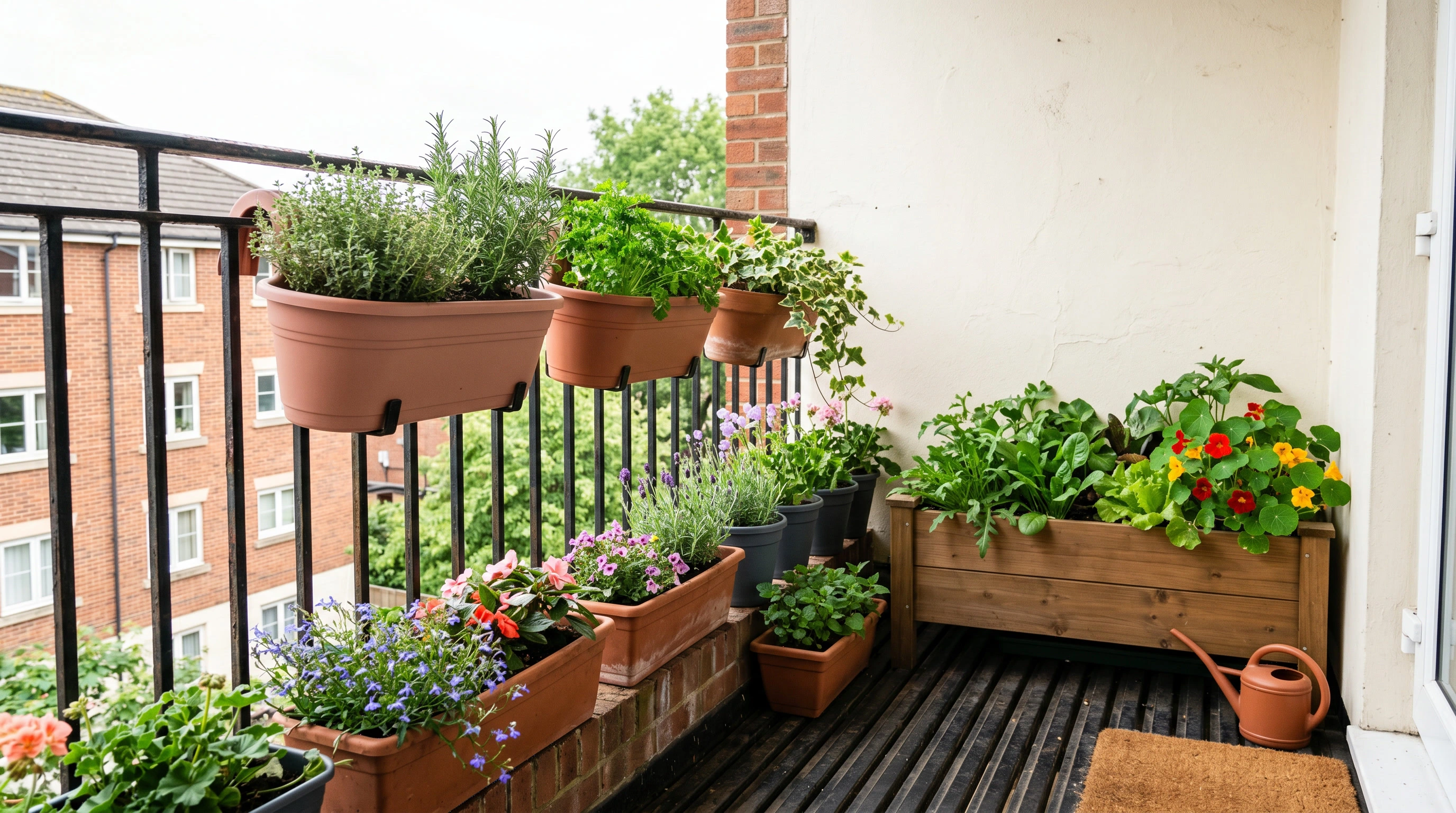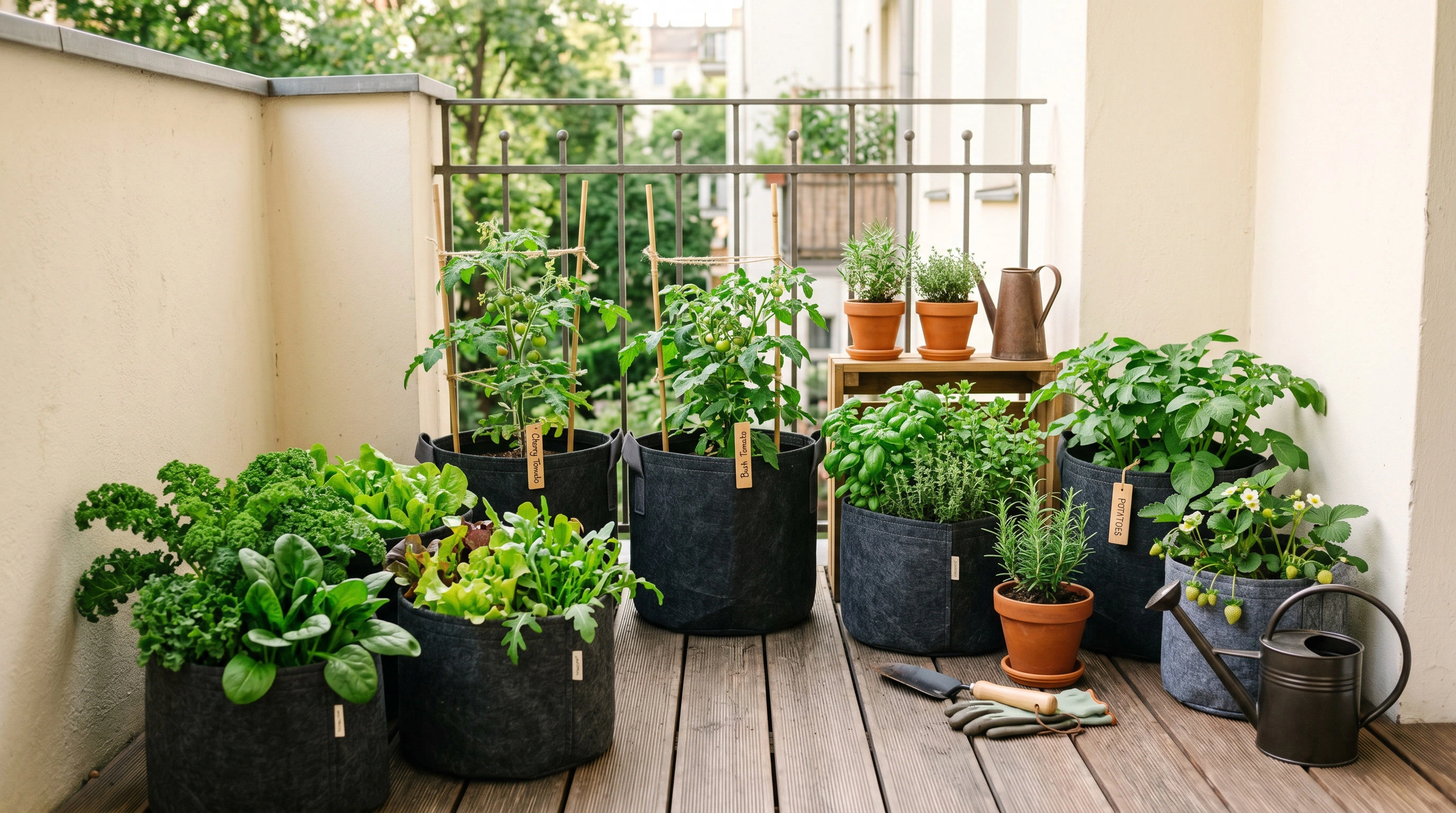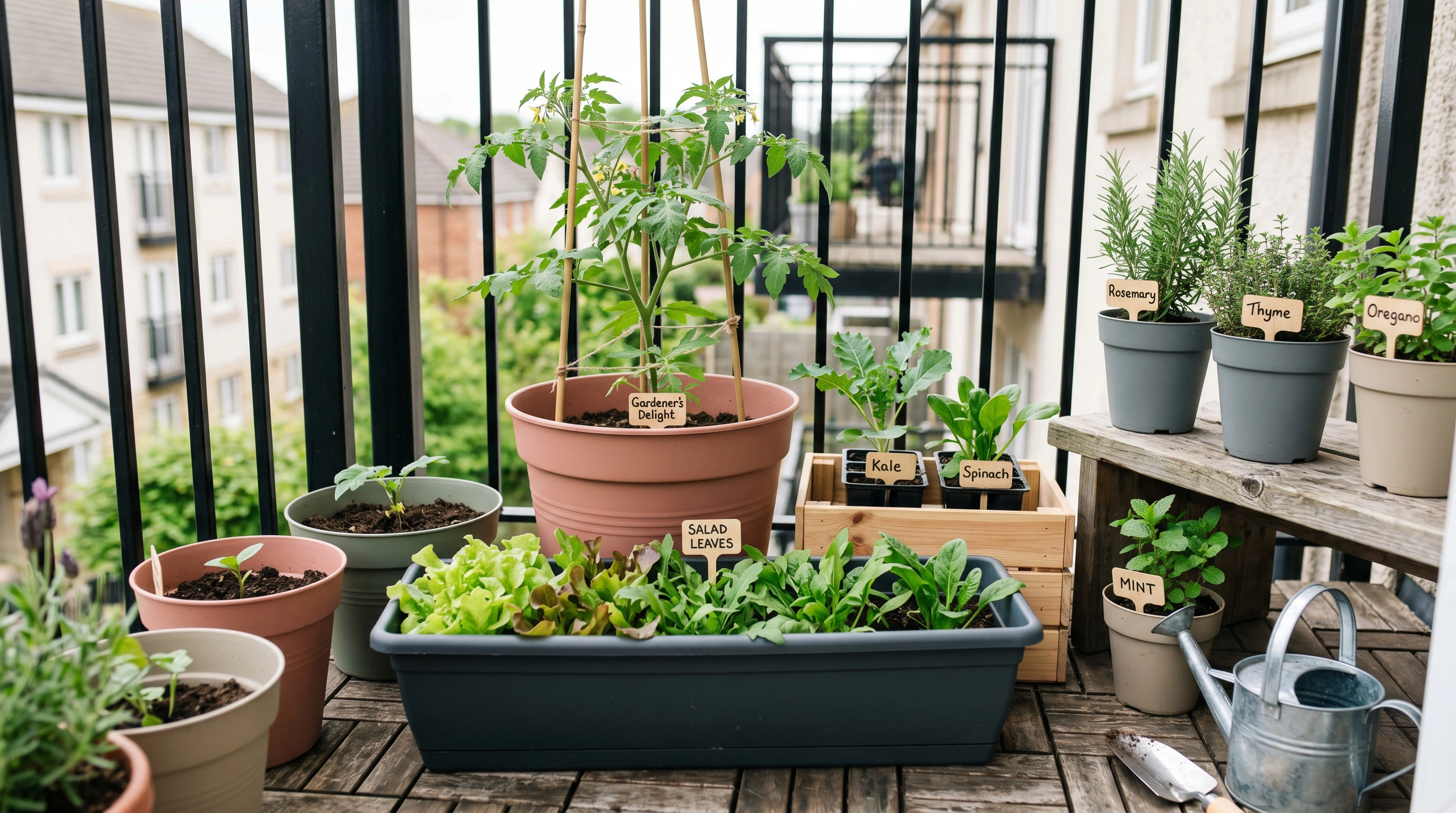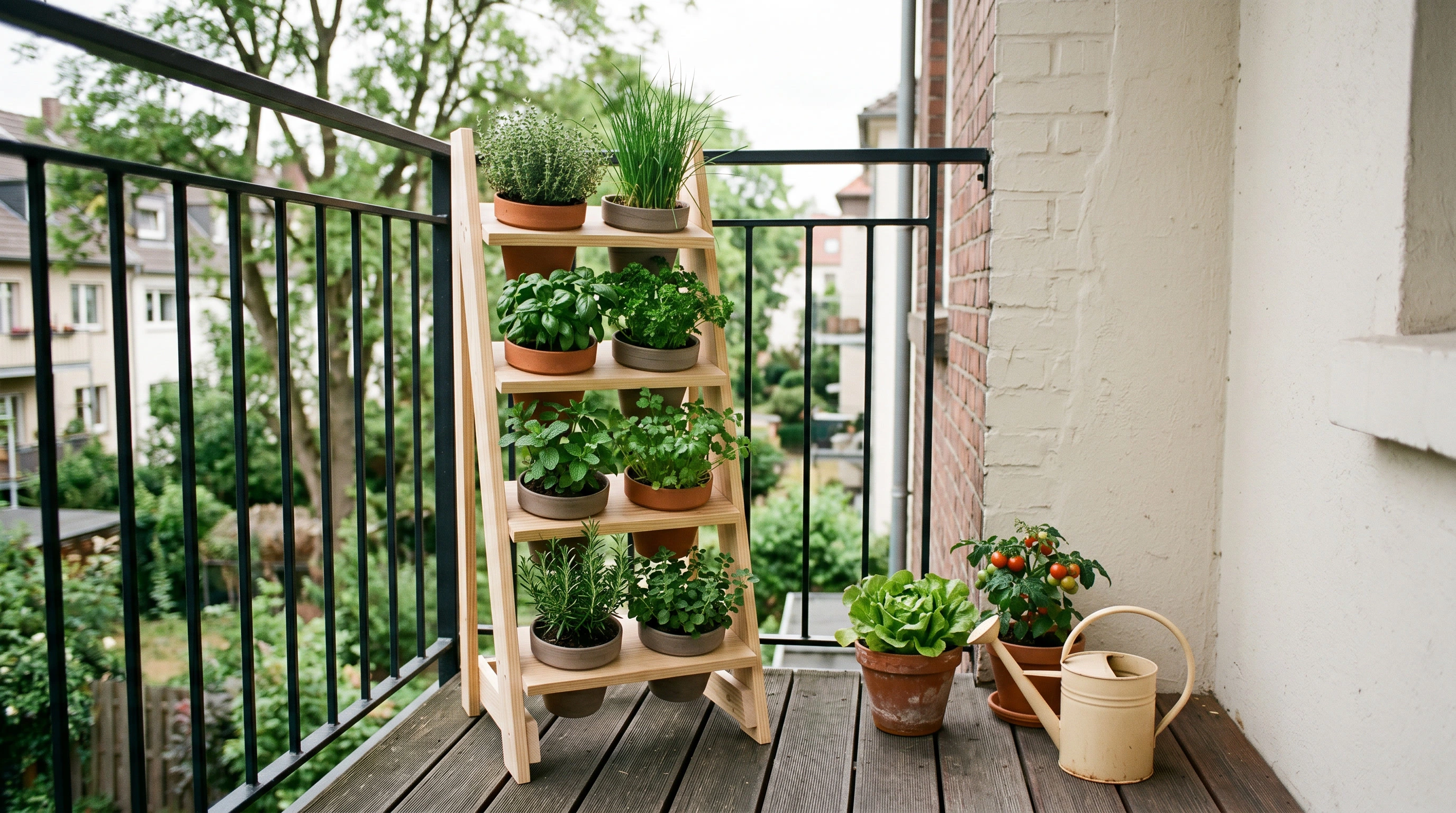
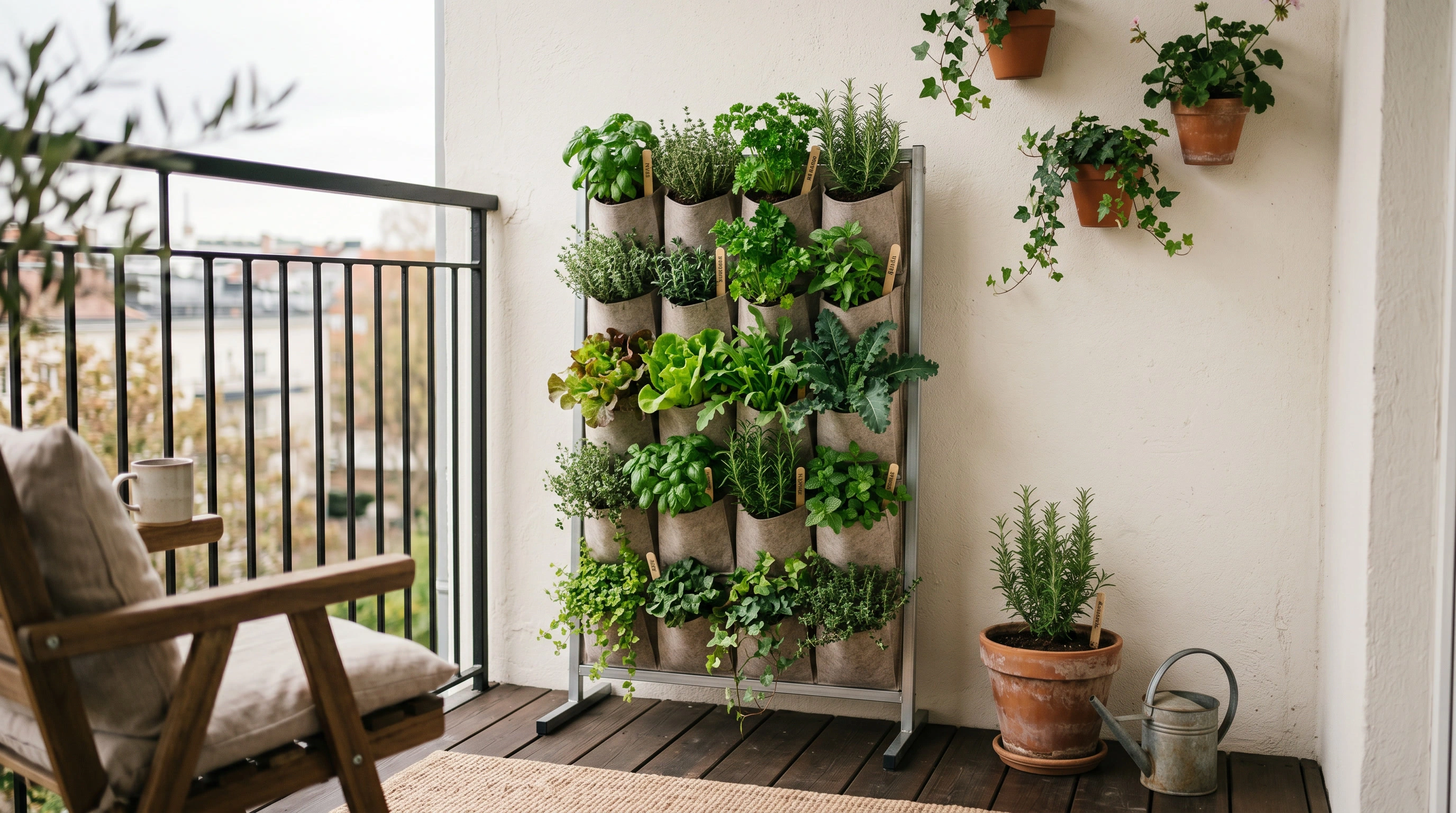
Vertical planters can be useful when floor space is tight. They can turn a small balcony, patio corner or rented outdoor space into somewhere that holds herbs, salad leaves or strawberries without filling every inch of the ground.
They are not always the easiest option, though. Some look tidy in product photos but become awkward once they are full of wet compost. Others are unstable in wind, hard to water evenly, or designed to be fixed to a wall, which is not ideal for many renters.
This guide focuses on practical, removable vertical planters for UK small spaces. The aim is to help you decide whether a vertical planter is worth buying, what type is easiest to live with, and what to grow in it first.
What vertical planters are good for
Vertical planters are best for crops that stay relatively small and do not need deep root space. They are useful for plants you want to pick little and often, especially if the planter sits near a kitchen door or balcony seating area.
Good uses include:
- Herbs you use regularly.
- Loose-leaf salad crops.
- Strawberries in suitable pockets or pots.
- Pea shoots and small seasonal greens.
- Compact flowers mixed with edible plants.
- Small trailing plants where the planter is stable.
They are less suitable for large vegetables, hungry fruiting crops or anything that needs a deep, heavy container. If you are still choosing what to grow, read What Can You Grow Without a Garden in the UK?.
When a vertical planter makes sense
A vertical planter makes sense when your floor space is limited but you still have usable light. It can be especially helpful on a balcony where you want to keep a clear walking route or avoid having several small pots scattered around.
It is most useful if:
- You mainly want herbs, leaves or strawberries.
- You can reach every level comfortably.
- The planter can stand securely without drilling.
- You can water it without soaking walls, floors or neighbours below.
- You have a sheltered position away from strong wind.
It is less useful if your main goal is tomatoes, courgettes, potatoes or large container vegetables. Those crops usually perform better in normal floor pots.
Choose free-standing where possible
For renters, free-standing vertical planters are usually simpler than wall-mounted systems. They can be moved, cleaned and taken with you if you leave. They also avoid the problem of drilling into walls, fences or balcony structures.
Look for a broad base, sensible height and a design that still feels stable when planted. Tall, narrow units may look efficient, but they can feel wobbly once filled with compost and exposed to wind.
Shelf-style systems are often the easiest option because you can use individual pots. That means each plant can be lifted, watered, replaced or moved without disturbing the whole setup.
Think about wet weight
A planter that feels light in the shop or online description may be much heavier once it contains compost, water and plants. Wet compost adds weight quickly.
This matters on balconies, raised surfaces and narrow patios. Keep the setup modest, avoid balancing planters on ledges, and do not overload shelves, railings or weak structures.
This site does not provide structural advice or load calculations. If weight is a concern, use fewer pots, smaller plants and free-standing units on the floor rather than anything attached or overhanging.
Watering vertical planters
Vertical planters do not always water evenly. The top level may dry quickly because it gets more sun and wind. Lower pockets may receive runoff and stay wetter than expected.
Check each pocket or pot separately. Do not assume that watering the top means the whole planter is evenly moist.
Simple watering habits help:
- Use a small watering can with a gentle rose or narrow spout.
- Water slowly so compost absorbs moisture.
- Check upper pockets more often in warm weather.
- Move thirsty plants out of pockets that dry too fast.
- Avoid leaving lower plants sitting in constant runoff.
For a broader watering routine, read How Often Should You Water Plants in Pots in the UK?.
Best plants for vertical planters
The best plants are compact, useful and forgiving. Start with plants that help you learn how the planter behaves before adding anything fussy.
Good first choices include:
- Chives.
- Parsley.
- Loose-leaf salad.
- Rocket.
- Strawberries.
- Pea shoots.
- Thyme in sunny, freer-draining pockets.
- Mint only if it is kept clearly contained.
Avoid large tomatoes, courgettes, potatoes and deep-rooted crops in shallow vertical pockets. They need more compost volume than most vertical planters provide.
Wind and stability
Vertical planters can catch wind. This matters on balconies, especially on upper floors or exposed corners. A planter that is fine on a patio may not be suitable beside a balcony rail.
Put the planter in a sheltered position where possible. Avoid rail edges, narrow ledges and spots where the unit could become top-heavy. If the planter wobbles when empty, it is unlikely to improve once planted.
If wind is a regular issue, read How to Protect Balcony Plants from Wind.
A vertical planter should be stable when watered and planted. Avoid balancing tall planters on narrow ledges or attaching heavy systems without permission.
Types of vertical planters
Free-standing tiered planters
These are often the most renter-friendly option. They stand on the floor and usually hold several small pots or troughs. Choose one with a broad base and levels you can reach comfortably.
Shelf-style plant stands
A shelf-style stand with separate pots is flexible. Each pot can be moved, watered and replaced individually. This is often easier than a fixed pocket system.
Fabric pocket planters
Fabric pockets can be light, but they often dry quickly and may be hard to water evenly. They also need safe hanging or support, which can be awkward in rented homes.
Ladder-style planters
Ladder-style units can look tidy, but check stability carefully. Tall narrow frames can be risky in wind if they are filled with wet pots.
Rail or wall-mounted planters
These can save floor space, but they need more caution. They may require permission, suitable fixings and careful weight management. For most renters, free-standing options are simpler.
Where to place a vertical planter
Use a level surface, good light and a sheltered position. A calm corner against a wall is usually better than an exposed rail edge. Make sure you can still open doors, use seating, hang washing or walk through the space safely.
Light still matters. A vertical planter will not make a shaded balcony suitable for sun-loving crops. Put sun-loving herbs in the brighter pockets and leafy crops where they get useful light without scorching.
If your balcony is sunny, compare crop options in Best Vegetables for South-Facing Balconies in the UK. If it is shaded, use Best Vegetables for North-Facing Balconies in the UK.
A renter-friendly buying checklist
Before buying a vertical planter, check:
- Does it stand without drilling?
- Can it be moved when empty?
- Is the base broad enough?
- Can you reach the top level comfortably?
- Are the pockets or pots deep enough?
- Can excess water drain safely?
- Will it still fit once plants grow?
- Can it be cleaned before moving home?
- Does it suit the crops you actually want to grow?
If several answers are uncertain, start with a simple plant shelf and individual pots. It may look less exciting, but it is often easier to manage.
A simple first vertical setup
For a first attempt, use a low or medium-height free-standing unit with separate pots. Do not fill every level on day one.
A simple starter layout could be:
- Chives or parsley on the easiest-to-reach level.
- Loose-leaf salad or rocket in a shallow trough.
- Strawberries in a sunny stable position.
- Thyme in a brighter, freer-draining pot.
- One empty space left for later adjustment.
Water the setup for a week or two and watch how each level behaves. If the top dries too quickly or the bottom stays wet, adjust before adding more plants.
When a vertical planter is the wrong answer
A vertical planter is not the best choice for every small space. Normal floor pots may be better if:
- You mainly want tomatoes or larger vegetables.
- Your balcony is very windy.
- You cannot comfortably reach the top level.
- Watering already feels difficult.
- The only available position is shaded or unstable.
Vertical planters add a little complexity. If you are still learning basic watering, start with a few ordinary containers first.
Combining vertical and floor containers
A good small-space setup often uses both vertical and floor containers. Use the vertical planter for herbs, salad leaves and strawberries. Keep larger floor pots for tomatoes, beans, mint or anything that needs more root space.
This gives each plant a better container and keeps the vertical planter from becoming overloaded. It also makes the balcony easier to tidy, water and reset through the season.
DIY and upcycled options
You can create simple vertical growing space with shelves, crates, plant stands or repurposed storage units. Keep DIY setups stable, clean and removable.
Avoid anything that leaks, rots quickly, blocks access or relies on unsafe fixings. A simple shelf with separate pots is often better than an ambitious homemade structure that is awkward to water.
For low-cost ideas, read Upcycling Household Items into Planters and Cheap Ways to Start Gardening as a Renter.
Maintenance through the season
Vertical planters need regular small jobs. Trim herbs, remove dead leaves, replace tired salad plants and check whether any level is drying faster than the rest.
Small pockets and pots run out of nutrients and structure faster than large containers. Refresh compost between sowings where needed and do not keep struggling plants just because a pocket needs filling.
At the end of the season, empty failed pockets, clean trays and check whether the planter still feels stable. If it was awkward all year, simplify before adding more plants next season.
Common mistakes
Choosing a planter for the photo, not the routine
A planter that looks good online may still be awkward to water, move or clean.
Using shallow pockets for large crops
Most vertical pockets are better for herbs and leaves than tomatoes or large vegetables.
Placing it in too much wind
Vertical planters can act like sails. Use a sheltered position and a stable base.
Forgetting that each level dries differently
Check each pot or pocket separately rather than watering the whole unit as one thing.
Buying too tall a unit
If the top level is awkward to reach, you will avoid watering and harvesting it.
FAQ
Are vertical planters good for renters?
Free-standing, removable vertical planters can be good for renters. Wall-mounted or rail-mounted planters need more caution and may require permission.
What can I grow in a vertical planter?
Herbs, salad leaves, strawberries, pea shoots and compact plants are usually the best choices.
Are vertical planters good for tomatoes?
Usually not. Tomatoes need larger, deeper containers and stable support. A normal floor pot is usually better.
Do vertical planters dry out quickly?
They can, especially in sun and wind. Top pockets often dry faster than lower pockets.
Are lightweight planters safe on balconies?
They can be, but keep the setup modest, stable and suitable for your own building. This guide does not give structural advice.
Is a shelf better than a pocket planter?
For many renters, yes. A shelf with separate pots is easier to water, move and adjust than fixed planting pockets.
Related guides
- Beginner’s Guide to Small-Space Gardening for UK Renters
- Vertical Planters: Are They Worth It for Small Gardens and Balconies?
- How to Protect Balcony Plants from Wind
- How to Choose Pots for Balcony and Windowsill Gardening
- Cheap Ways to Start Gardening as a Renter
Next step
Before buying a vertical planter, read How to Choose Pots for Balcony and Windowsill Gardening so you can judge depth, drainage and practicality. Then decide whether a vertical planter, a simple shelf or normal floor pots fit your space best.