Small-space gardening looks simple because the setup is small. In practice, pots, balconies and windowsills can be less forgiving than a garden bed. Containers dry out quickly, indoor light can be weak, and a few bad choices can make the whole setup harder to manage.
The good news is that most beginner mistakes are easy to avoid once you know what to look for.
Starting with too many plants
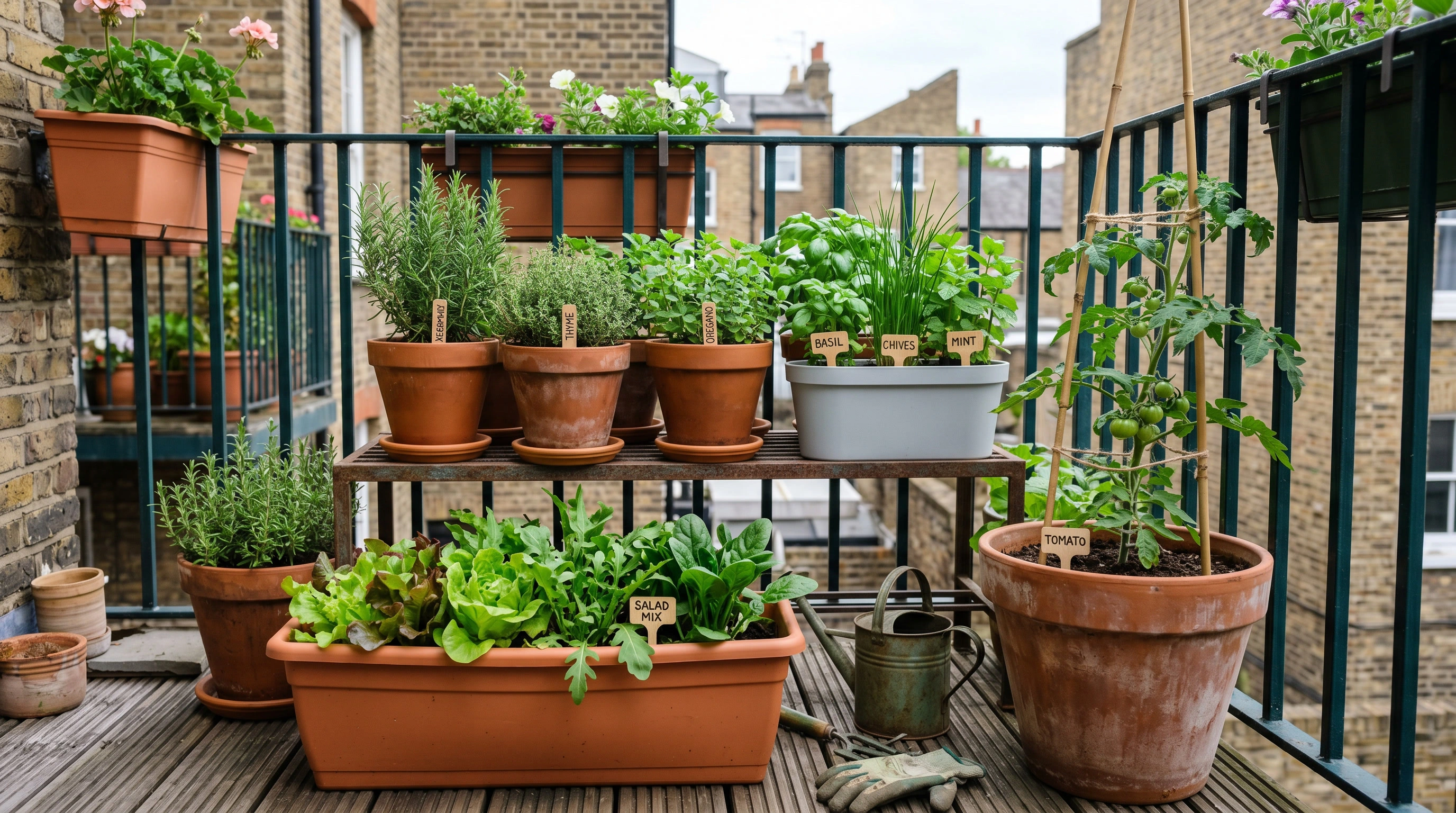
This is the classic mistake. You buy herbs, tomato plants, salad seeds, strawberry plants and a few bargain pots in one weekend. Two weeks later, everything needs watering at different times and half the plants are in the wrong place.
Start with one to three containers. Learn how quickly they dry out, how much light they get, and whether you enjoy looking after them.
For a slower first setup, use the Beginner’s Guide to Small-Space Gardening for UK Renters as your hub.
Choosing sun-loving crops for shade
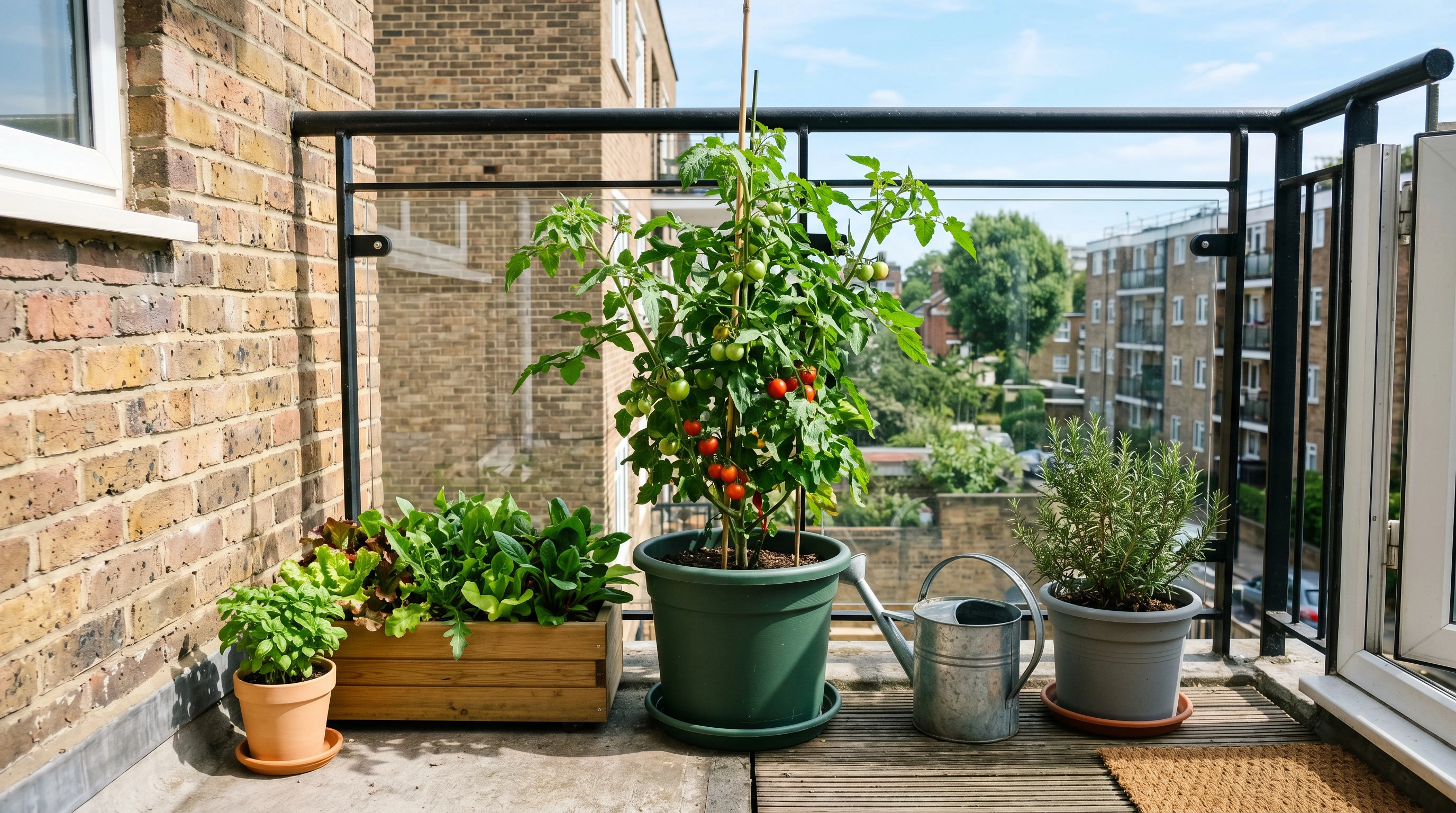
Tomatoes, chillies and basil are exciting, but they need strong light and warmth. If your windowsill is dim or your balcony faces north, start with leaves, parsley, chives, mint or pea shoots instead.
The guide to how much sunlight herbs and vegetables need will help you match crops to your space.
Ignoring drainage
Most edible plants need drainage holes. A pot without drainage can trap water around roots, especially indoors or during wet weather.
Decorative cover pots are fine, but use an inner pot with holes and empty standing water after watering. For more detail, read How to Choose Pots for Balcony and Windowsill Gardening.
Watering by habit instead of checking
Watering every day is not always helpful. Some pots dry quickly, while others stay damp for days. Check the compost with your finger before watering.
Indoor herbs often suffer from sitting in water. Balcony pots often suffer from drying out in wind. The right routine depends on the space.
Forgetting about wind
Balconies can be windy even when they feel sheltered. Wind dries compost, rocks plants and can snap tall stems. Compact plants and stable pots are easier than top-heavy displays.
If wind is a problem, read How to Protect Balcony Plants from Wind.
Buying pots before choosing crops
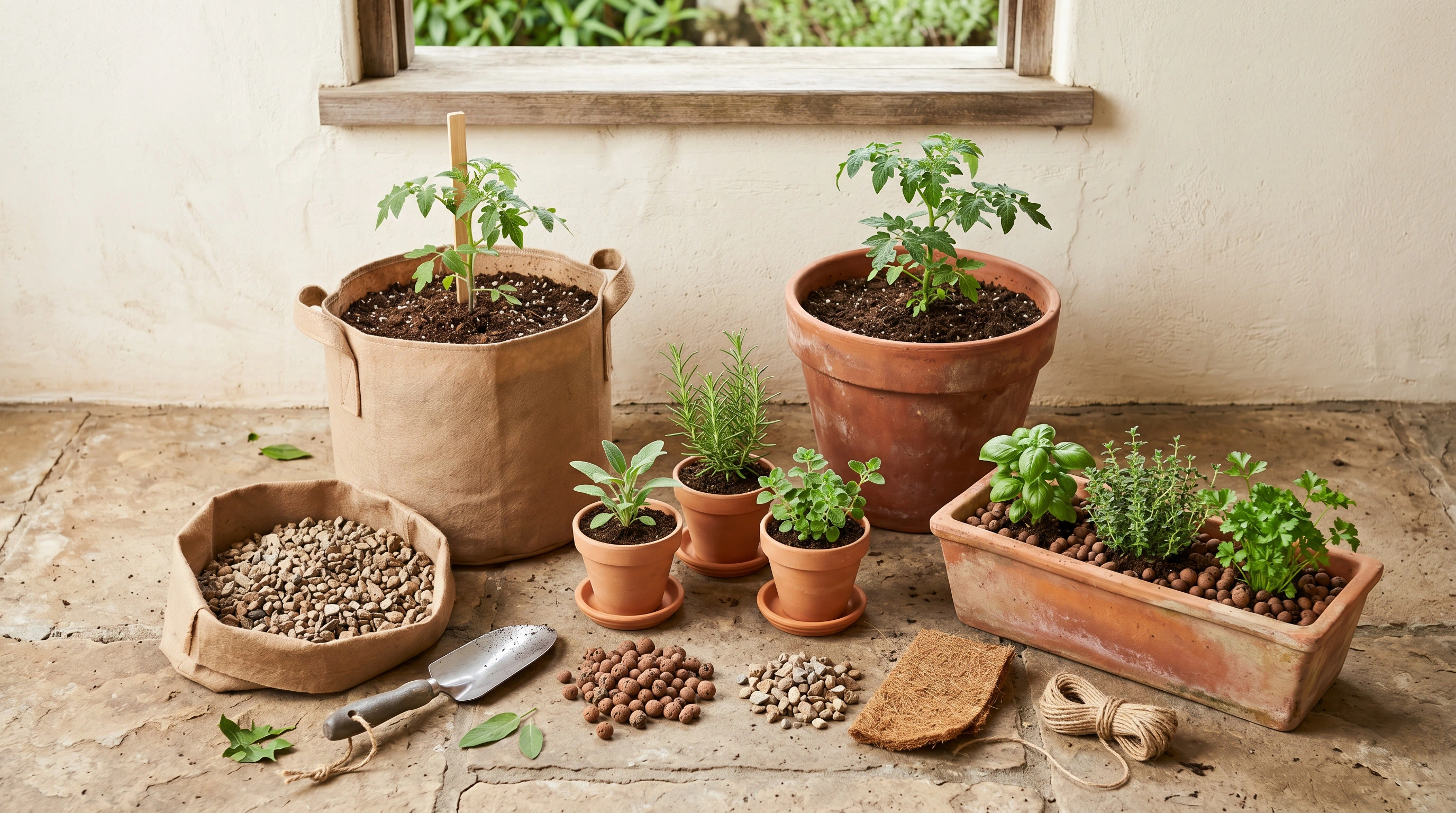
Tiny pots look tidy but dry quickly and restrict roots. Large pots can be heavy and awkward. Choose containers based on the crop, your space and how easy they are to move.
For rented homes, avoid setups that depend on drilling, heavy rail planters or permanent fixtures unless you have clear permission and suitable equipment.
How to recover from early mistakes
Most small-space gardening mistakes are fixable if you notice them early. A struggling plant does not mean you are bad at gardening. It usually means the plant, pot, light, compost or watering routine is mismatched.
If a plant is pale and stretched, move it to brighter light if you can. If the compost smells sour and stays wet for days, stop watering and check whether the pot can drain. If a balcony plant is battered by wind, move it lower, group it with other pots, or choose a tougher crop next time.
The best recovery plan is to simplify. Keep the strongest plants, remove anything that is clearly failing, and avoid adding more pots until you understand what went wrong.
A better first month
For your first month, choose one growing area and one or two crops. A bright windowsill with herbs and pea shoots is enough. A balcony with one pot of salad leaves and one pot of chives is enough. The goal is to learn your space, not fill it.
Use the first few weeks to answer practical questions:
- How fast does the compost dry?
- Which spot gets the best light?
- Does wind affect the plants?
- Are trays or saucers protecting surfaces?
- Do you remember to check the pots?
Once those answers are clear, adding more plants becomes easier. The Beginner’s Guide to Small-Space Gardening for UK Renters explains this staged approach in more detail.
Mistakes that are worth making
Some experiments are useful even when they do not work perfectly. Trying salad leaves in two different positions can teach you more than reading about light. Starting a few seeds indoors can show you whether your windowsill is bright enough. Growing one tomato plant can reveal whether your balcony is warm and sunny enough for fruiting crops.
The point is to make small mistakes cheaply. One failed pot is information. Twelve failed pots is discouraging.
Keep notes on what failed and why so the next sowing starts with better choices.
Common mistakes checklist
- Too many pots too soon
- No drainage holes
- Plants in the wrong light
- Tiny pots outdoors
- No tray under indoor pots
- Overwatering herbs in cover pots
- Letting balcony pots dry out in wind
- Expecting winter windowsills to behave like summer gardens
If you are tempted to fix every mistake by buying more supplies, check the small-space gardening kit list first and only add kit that solves a real problem in your space.
FAQ
What is the easiest mistake to fix?
Drainage. Move plants into pots with holes, use saucers or trays, and stop leaving roots sitting in water.
Should beginners grow tomatoes first?
Only if they have a sunny, warm spot. Otherwise, herbs and salad leaves are usually better first crops.
Why do my pots dry out so quickly?
They may be too small, in strong sun, exposed to wind, or filled with compost that has become very dry.
Is small-space gardening harder than normal gardening?
It is different. You manage less space, but containers need more attention to watering and light.
Related guides
- Beginner’s Guide to Small-Space Gardening for UK Renters
- How Much Sunlight Do Herbs and Vegetables Need?
- How to Choose Pots for Balcony and Windowsill Gardening
Next step
If you want a low-risk start, choose crops from What Can You Grow Without a Garden in the UK?.