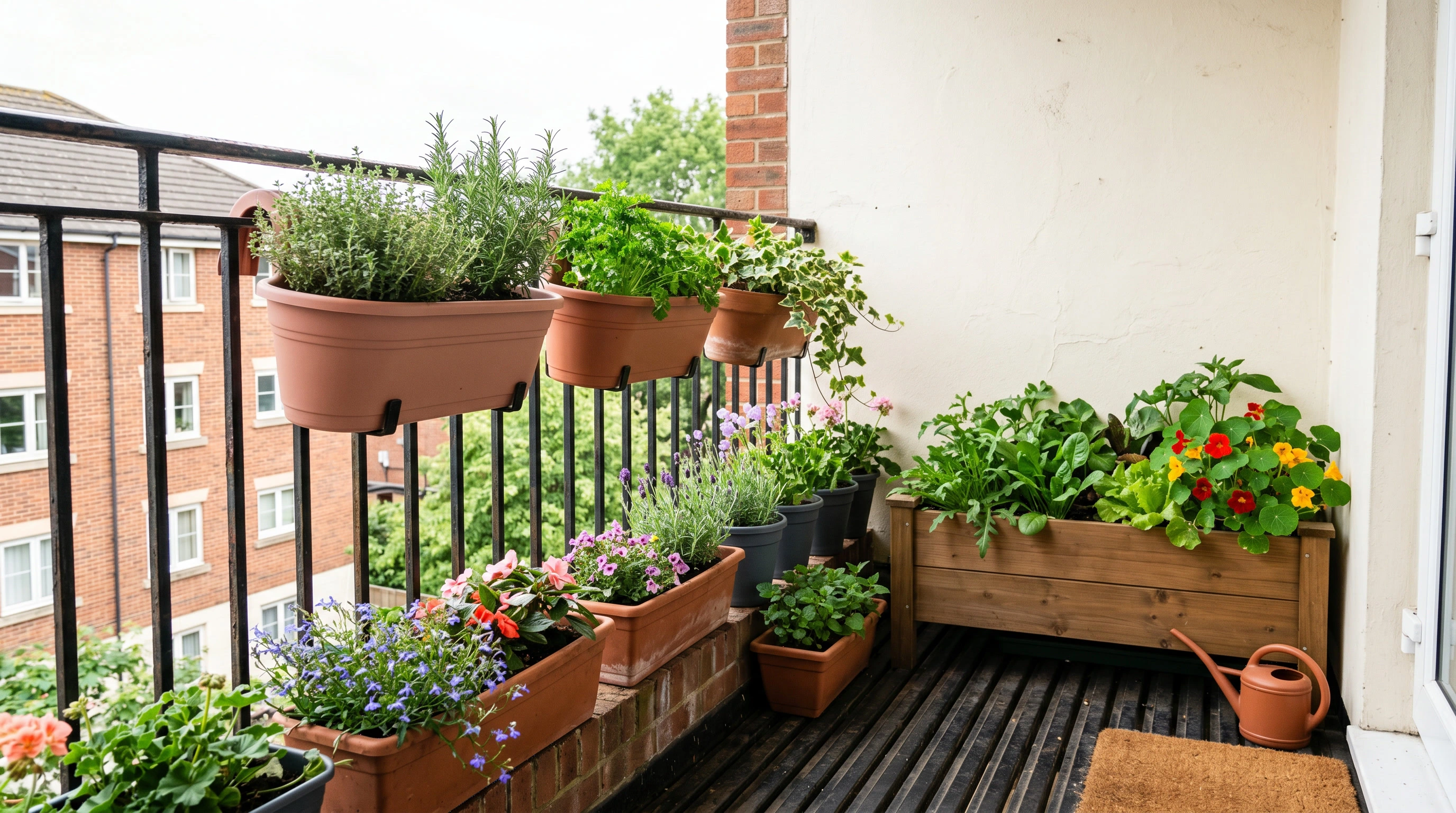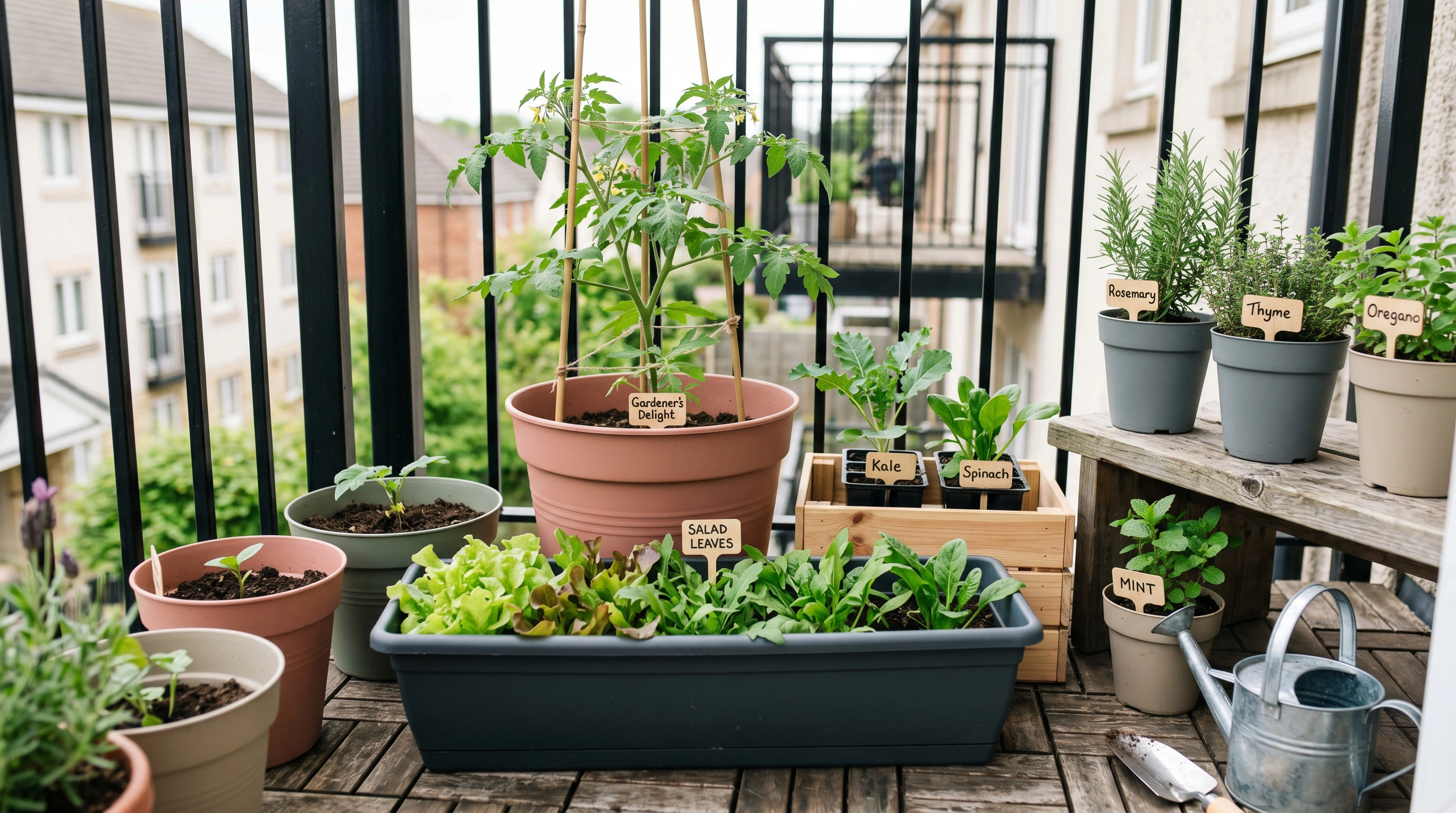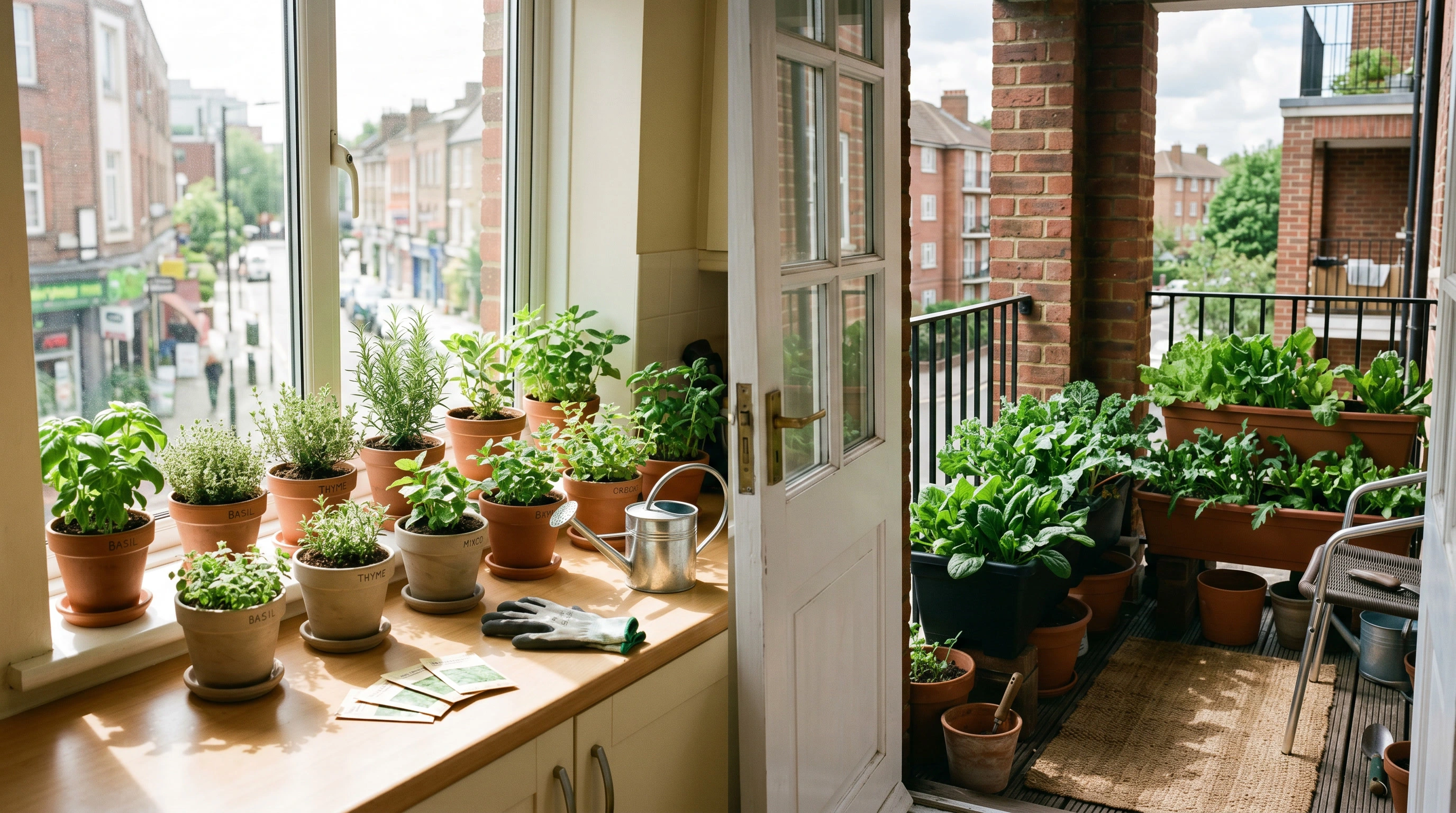
Grow bags and pots can both work well in small rented spaces, but they solve different problems. Grow bags are often lighter and easier to store. Pots are usually neater, more stable and easier to manage long term.
The best choice depends on your space, crop, watering routine and whether you need the setup to move easily. A renter with a sunny patio may make good use of grow bags for seasonal vegetables. A flat dweller with a narrow balcony may find sturdy pots and troughs easier to control.
Who this guide is for
This article is for renters, flat dwellers and small-space growers deciding whether to use fabric grow bags, plastic pots, troughs or traditional containers. It assumes you want a practical setup that stays manageable, removable and suitable for UK weather.
For a wider container-growing overview, read Container Gardening for Beginners: A UK Small-Space Guide. If you are still choosing what to grow, use Best Vegetables to Grow in Pots in the UK.
Quick verdict
| Situation | Better choice | Why |
|---|---|---|
| Long-term herbs | Pots | Stable, tidy and easy to keep in one place |
| Seasonal vegetables | Grow bags | Flexible, lightweight when empty and easy to store |
| Windy balcony | Pots | Usually more stable, especially with a wider base |
| Small patio | Either | Depends on crop size, access and watering |
| Moving house soon | Grow bags | Easier to empty, fold and transport |
| Decorative display | Pots | Usually neater and longer lasting |
Grow bags: what they do well
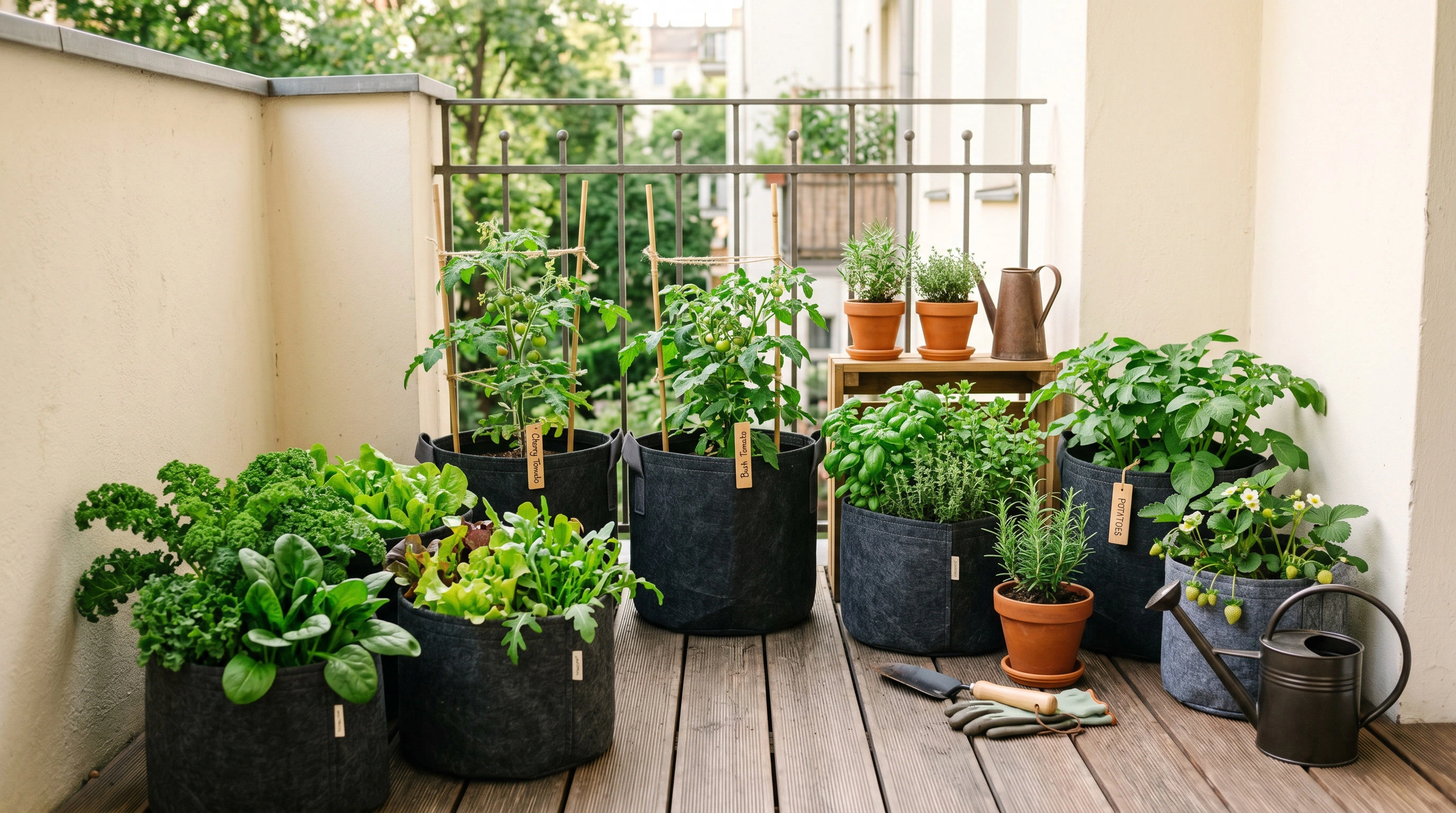
Grow bags are useful when you want a temporary or seasonal growing setup. They are often lighter than rigid containers when empty, easier to store, and available in sizes that suit vegetables such as potatoes, tomatoes, beans, salad crops and strawberries.
They can be especially useful on patios or sheltered balconies where you have enough floor space and easy watering access. Many fabric grow bags also allow good drainage, which helps reduce the risk of waterlogged compost.
Grow bags are a good fit when you want to test vegetable growing without investing in large rigid planters straight away.
Grow bags: where they struggle
Grow bags are not automatically easier. Some dry out quickly in warm or windy weather, especially if they are shallow, narrow or exposed. Soft sides can lose shape, and cheap handles or stitching may fail if moved when full and wet.
They can also look messier than pots, especially near shared access areas or on balconies where appearance and tidy drainage matter. If water runoff is a concern, you may need trays or careful placement.
For more detail on what to check before buying, read How to Choose Grow Bags for Vegetables in Small Spaces.
Pots: what they do well
Pots are usually the easiest choice for long-term small-space growing. They hold their shape, look tidier, and are available in many sizes. They work well for herbs, chillies, strawberries, salad leaves, compact tomatoes and decorative edible displays.
Pots are often easier to place on balconies because they have a defined footprint and can be paired with saucers or trays. They are also easier to use indoors or on windowsills, where grow bags are usually less practical.
If you want a small setup that looks neat and stays in place, pots are usually the safer starting point.
Pots: where they struggle
Pots can become heavy, especially ceramic or terracotta pots filled with wet compost. Large rigid pots are awkward to store if you have limited space. Some materials also crack, fade or become brittle over time.
Very small decorative pots are another problem. They may look good, but they often dry quickly and leave too little root space for vegetables.
For help choosing practical pot sizes, read How to Choose Pots for Balcony and Windowsill Gardening.
Side-by-side comparison
| Factor | Grow bags | Pots |
|---|---|---|
| Storage | Easy to fold or pack away when empty | Can be bulky when not in use |
| Stability | Depends on shape, fill level and crop | Usually better, especially with a wide base |
| Watering | Can dry quickly in wind or heat | Varies by size and material |
| Appearance | Practical but sometimes less tidy | Usually neater and more decorative |
| Moving when full | Handles help, but only if well stitched | Can be heavy and awkward |
| Best crops | Seasonal vegetables, potatoes, beans, tomatoes | Herbs, chillies, salad leaves, strawberries, compact crops |
| Renter practicality | Good for temporary setups | Good for tidy, controlled setups |
Which is better for renters?
For renters, the best choice is usually the one that causes the least friction. That means removable, tidy, easy to water, and easy to scale down if you move.
Grow bags are useful if you want seasonal flexibility. You can empty them at the end of the season and store them more easily than large pots. Pots are better if you want a stable, neat setup that stays in place and looks presentable all year.
A mixed setup often works best: use pots for herbs and compact long-term plants, then add grow bags for seasonal vegetables during spring and summer.
Which is better for balconies?
On balconies, pots are often easier to manage because they are more stable and controlled. Wind, runoff and access matter more than people expect. A wide, sturdy pot with a tray is often safer than a tall, soft-sided grow bag in an exposed position.
Grow bags can still work on balconies if they are low, wide, secure and easy to water. Avoid placing them where they block access, drip onto neighbours, or become hard to move once wet.
Which is better for patios?
Patios usually give you more freedom. Grow bags can work well for potatoes, tomatoes, beans and seasonal vegetables because there is often more floor space and less concern about balcony edges or railings.
Pots are still useful for herbs, salad leaves, chillies and plants you want to keep looking tidy. If the patio is small, group containers by watering needs so the setup does not become annoying to maintain.
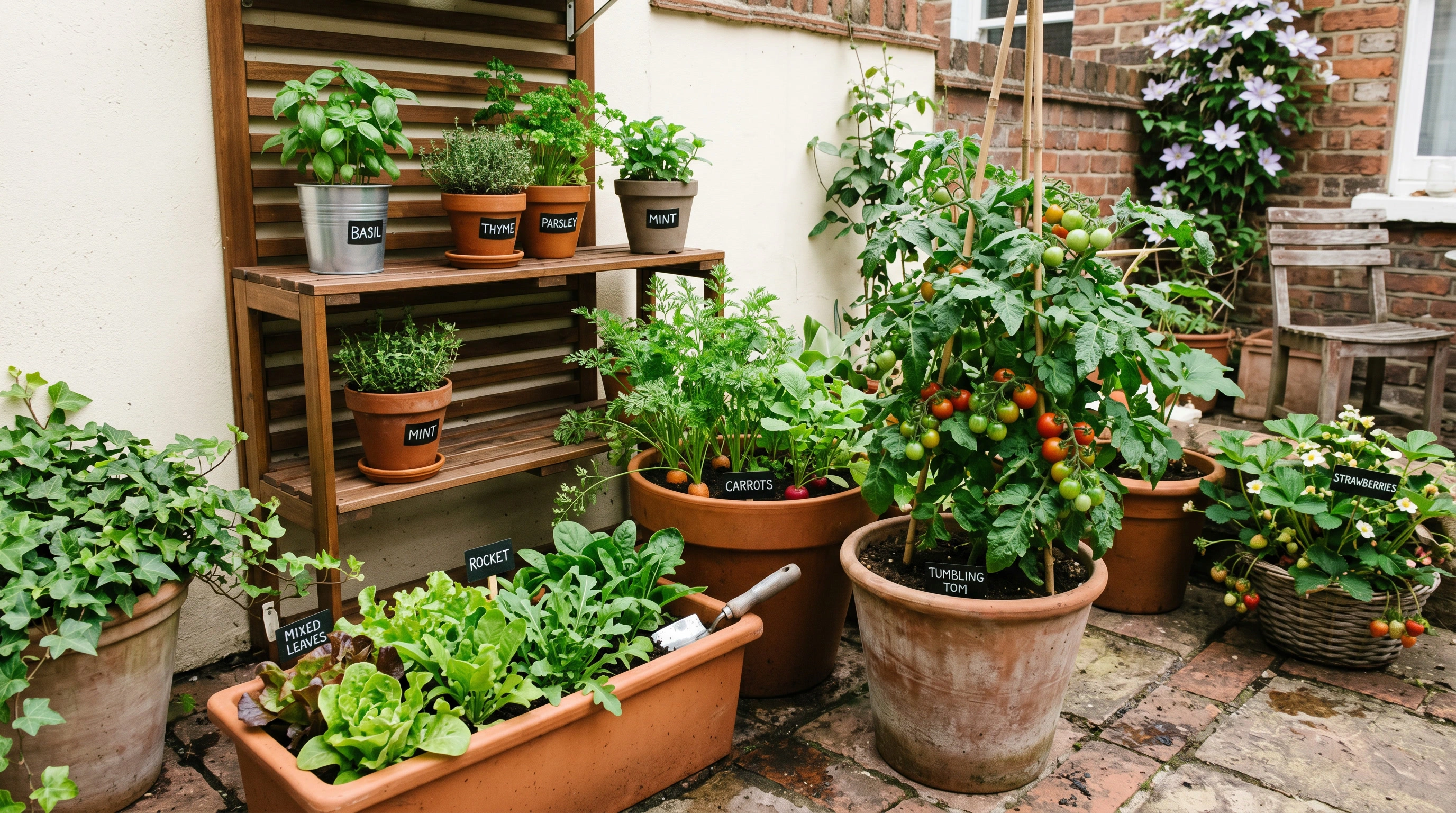
Which is better for different crops?
Some crops suit grow bags better than others. Some are easier in pots.
- Herbs: pots are usually better, especially for long-term use near a kitchen or doorway.
- Salad leaves: pots, troughs or shallow grow bags can all work.
- Tomatoes: large pots or suitable grow bags can work if watering is consistent.
- Potatoes: grow bags are often practical because they are deep, seasonal and easy to empty.
- Beans: medium to large pots or grow bags can work, but stability matters in wind.
- Strawberries: pots, troughs, hanging baskets or grow bags can work if drainage is good.
- Chillies: pots are usually simpler because plants stay compact and need warmth.
Watering differences
Grow bags often need closer watering checks in warm or windy weather. Their sides can allow moisture to move differently from rigid pots, and smaller fabric bags can dry faster than expected.
Pots vary by material. Terracotta can dry quickly. Plastic holds moisture longer. Large pots buffer water better than small pots, but they can also stay wet too long in cool shaded spaces.
Whatever you choose, check the compost by touch rather than watering on a fixed calendar. For more detail, read How Often Should You Water Plants in Pots in the UK?.
Durability and storage
Grow bags win on storage when empty. They can be folded, stacked or tucked away at the end of the season. Their weakness is durability. Thin fabric, weak handles and poor stitching can reduce their useful life.
Pots usually last longer if they are made from durable material, but they need somewhere to live year-round. That is not a problem on a patio, but it can be awkward in a flat with limited storage.
If you move often, grow bags can be useful. If you want a permanent herb or chilli setup, pots are usually easier to live with.
Common mistakes and fixes
Mistake: choosing by price alone
Fix: check size, drainage, stability and durability before buying. Cheap containers are not useful if they fail or dry out too quickly.
Mistake: using small containers for thirsty crops
Fix: give tomatoes, beans and other long-season crops enough compost volume to hold moisture steadily.
Mistake: moving full containers too often
Fix: place containers carefully before filling. Wet compost is heavier than many beginners expect.
Mistake: ignoring wind
Fix: use wider, lower and more stable containers in exposed spaces. Keep tall crops sheltered.
Mistake: buying too many at once
Fix: test one or two containers first. Learn how your space behaves before scaling up.
If you are unsure, start with pots for herbs and one grow bag for a seasonal vegetable. That gives you a fair comparison without overcrowding the space.
First-month test plan
Week 1: choose one pot and one grow bag, then place them where they get similar light.
Week 2: plant easy crops with similar watering needs, such as salad leaves or young herbs.
Week 3: track which container dries faster, stays tidier and is easier to water.
Week 4: decide which one fits your routine better before buying more.
This small test is more useful than guessing from product photos. It shows how containers behave in your actual space.
FAQ
Are grow bags better than pots?
Not always. Grow bags are often better for temporary seasonal vegetables and storage. Pots are usually better for stability, appearance and long-term herbs or compact crops.
Are grow bags good for balconies?
They can be, but choose stable shapes, keep them easy to water, and avoid positions where runoff or wind could cause problems.
Do grow bags dry out faster than pots?
They can, especially in warm or windy weather. Pot material, size and exposure also matter, so check moisture regularly rather than relying on assumptions.
Which is better for tomatoes, grow bags or pots?
Both can work. Tomatoes need strong light, enough compost, support, feeding and steady watering. A large stable pot or a suitable grow bag can both be practical.
Which is easier to store?
Grow bags are easier to store when empty because they can usually be folded or stacked. Pots are bulkier but often more durable.
What should a beginner start with?
Start with one or two pots if you want the simplest setup. Add one grow bag later if you want to try seasonal vegetables.
Related guides
- Beginner’s Guide to Small-Space Gardening for UK Renters
- Container Gardening for Beginners: A UK Small-Space Guide
- How to Choose Pots for Balcony and Windowsill Gardening
- How to Choose Grow Bags for Vegetables in Small Spaces
- Growing Vegetables in Pots: A Beginner Guide for Small Spaces
Next step
If you want a flexible seasonal setup, read How to Choose Grow Bags for Vegetables in Small Spaces. If you want a neater long-term setup, start with How to Choose Pots for Balcony and Windowsill Gardening.