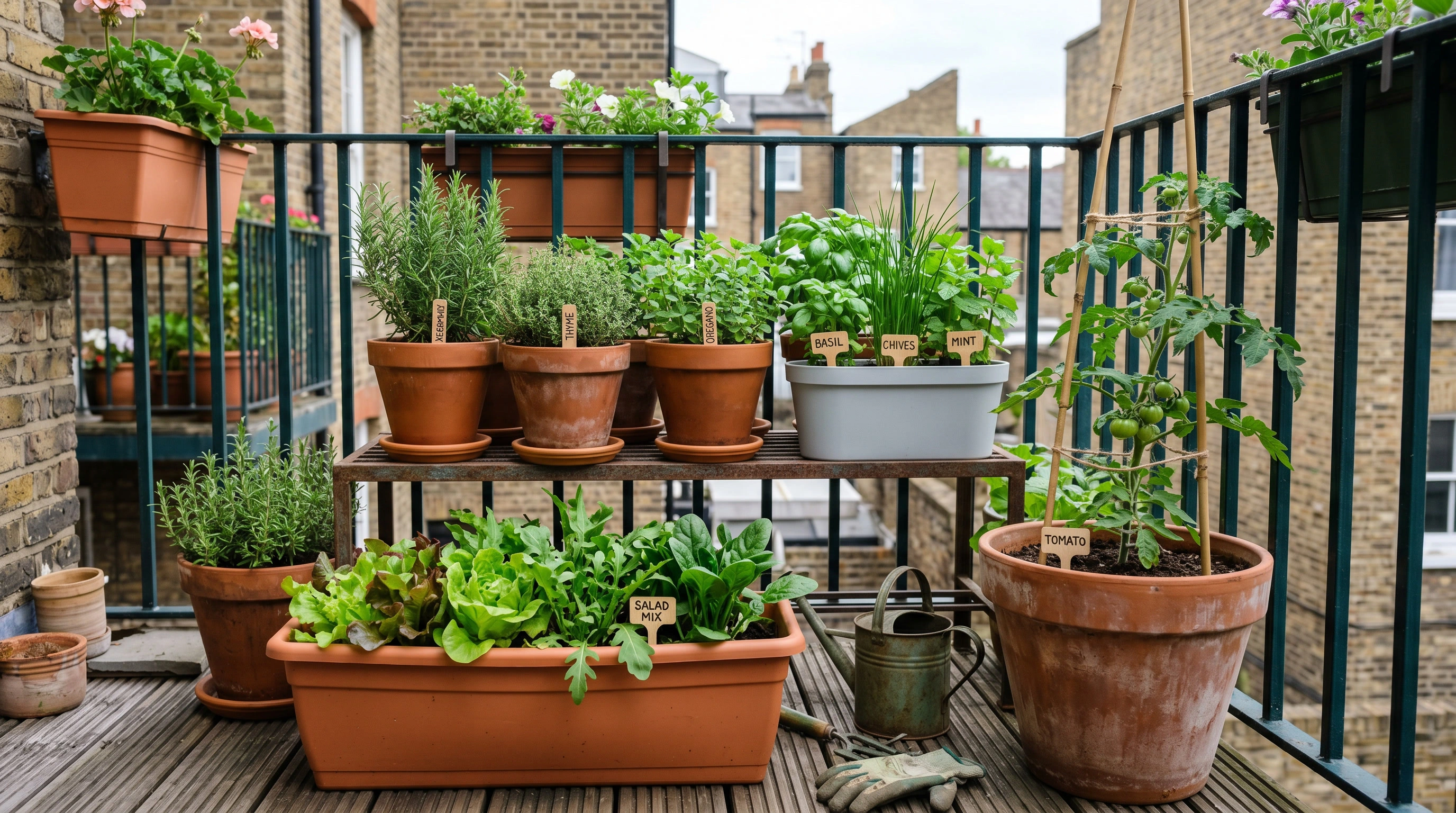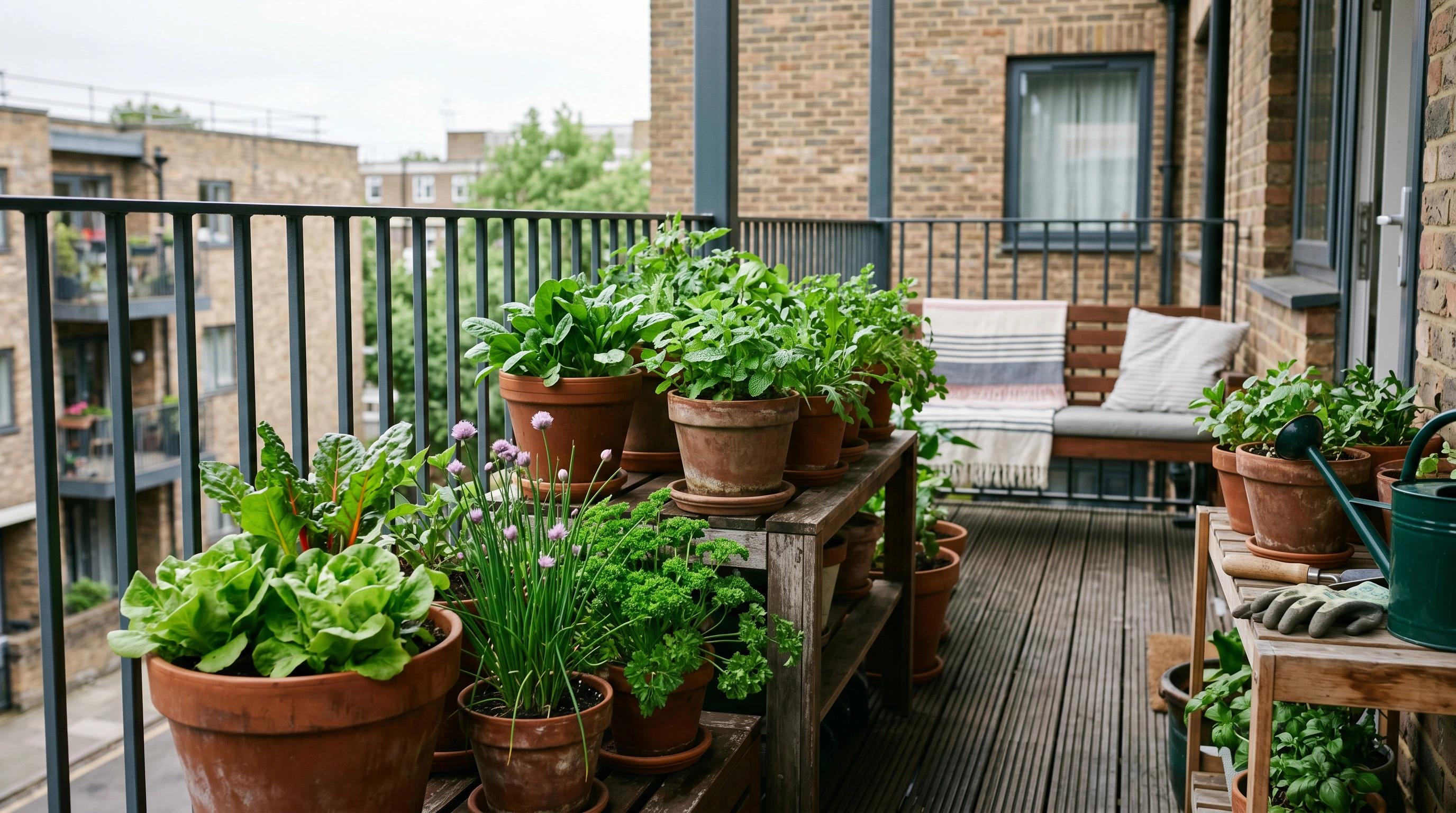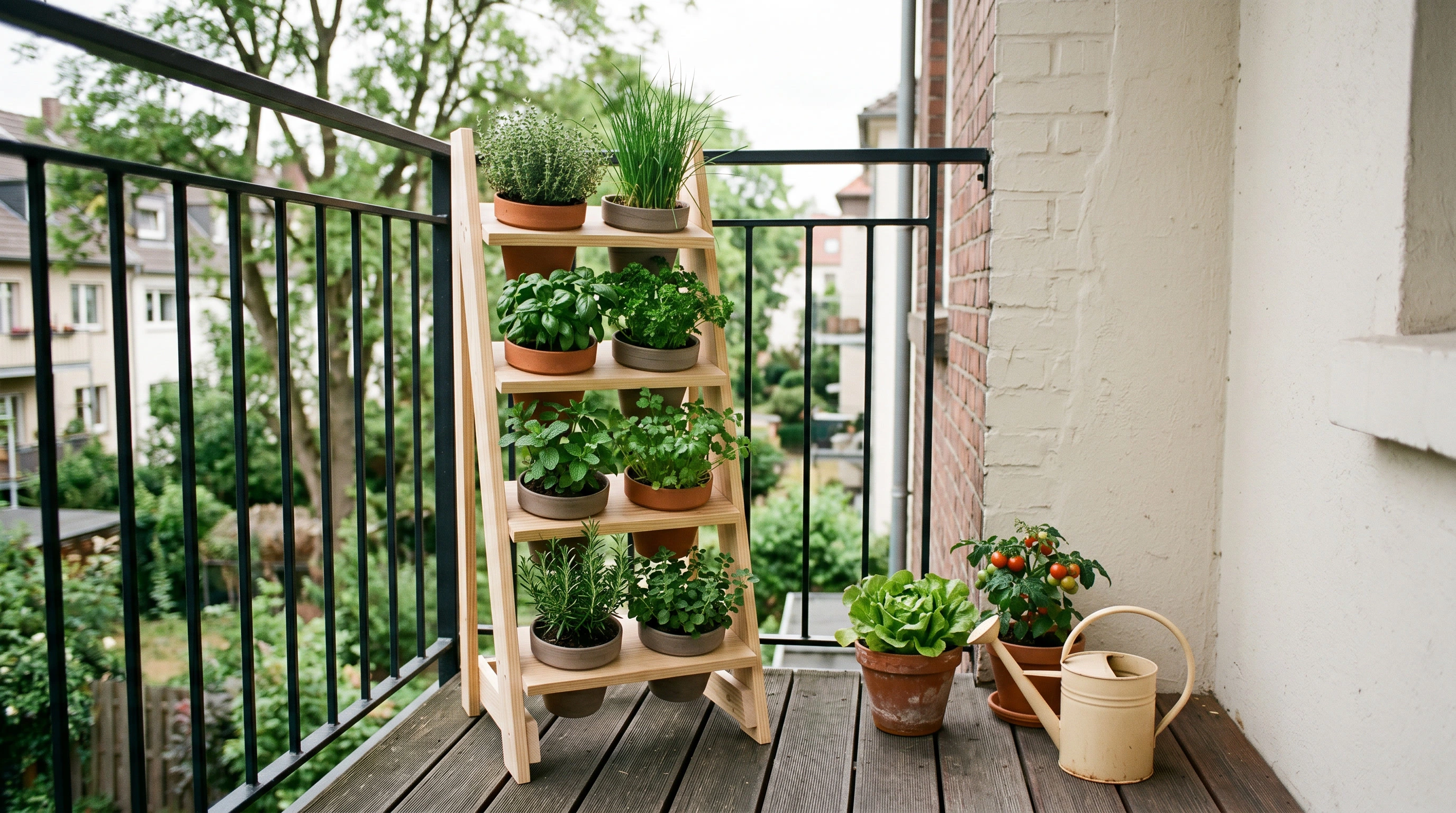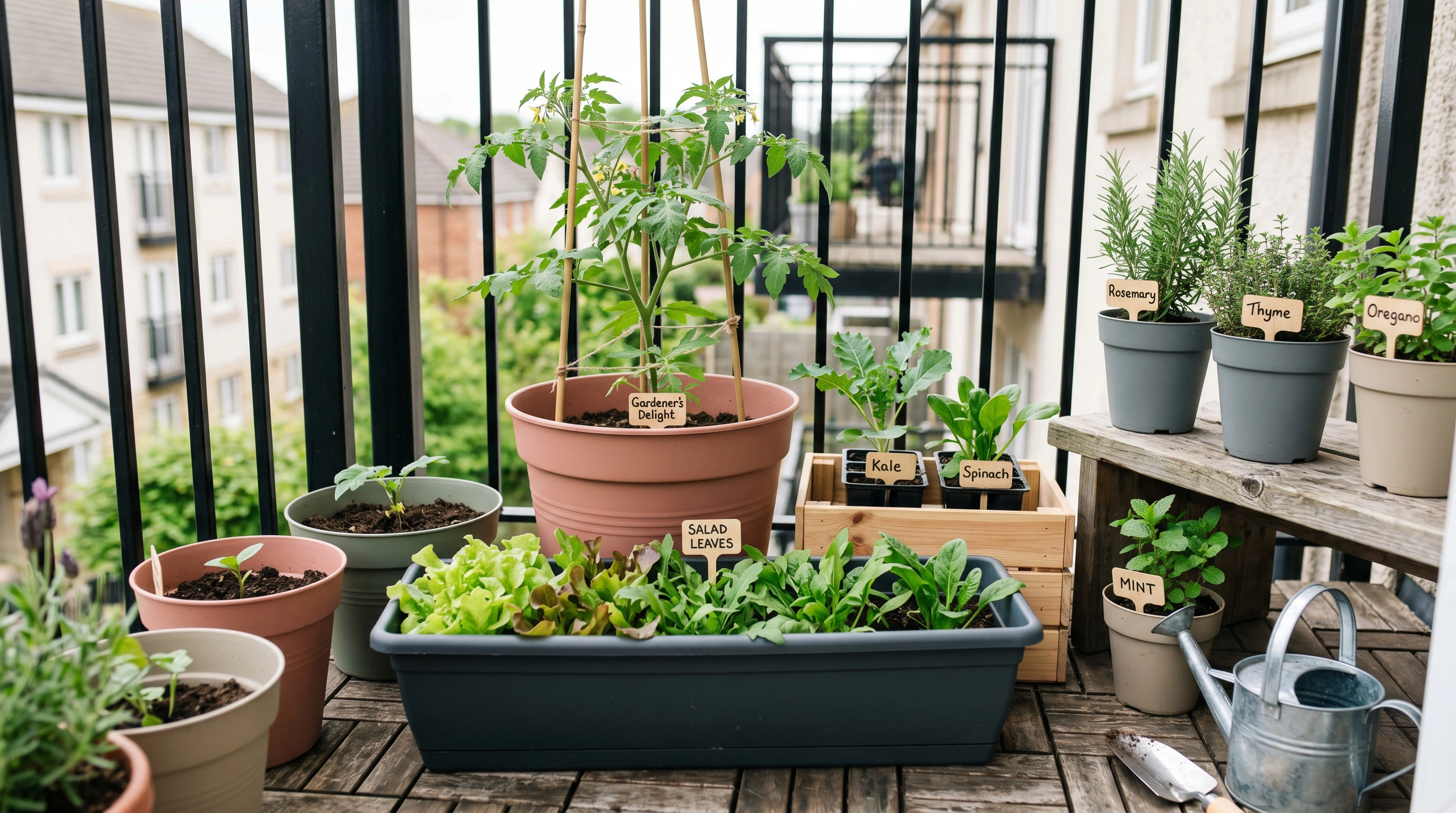
Lettuce is one of the easiest edible crops to grow in pots, especially if you treat it as a repeat-picking crop rather than trying to grow perfect supermarket-style heads. It suits small balconies, patios, doorsteps and bright windowsills, and it does not need a deep container to be useful.
The main trick is choosing the right type, sowing lightly, keeping the compost evenly moist, and harvesting leaves before the plants become tired or bolt. In a small UK space, lettuce works best when you grow it in small batches rather than one large sowing all at once.
Can you grow lettuce in pots?
Yes. Lettuce is well suited to containers because it has relatively shallow roots, grows quickly and can be harvested in small amounts. That makes it useful for renters and flat dwellers who do not have space for large pots.
It is also a good confidence crop. You can sow a small tray, watch it germinate quickly, and start taking baby leaves before many other vegetables are ready.
If you are completely new to growing food in small spaces, start with Beginner’s Guide to Small-Space Gardening for UK Renters and then use this guide for your lettuce setup.
Best types of lettuce for pots
Loose-leaf and cut-and-come-again varieties are usually best for beginners. They let you pick a few leaves at a time instead of waiting for a full head to form.
Good options include:
- Loose-leaf lettuce mixes.
- Oakleaf lettuce.
- Baby leaf salad mixes.
- Cos or little gem types if you have a slightly deeper pot.
- Rocket or mustard leaves if you want stronger flavour, though these are not lettuce.
Full hearting lettuce can grow in pots, but it needs more space per plant and gives you one main harvest. For small spaces, repeat harvests are usually more useful.
Where to grow lettuce in a small space
Lettuce likes good light, but it does not enjoy hot, dry stress. A bright balcony, patio, doorstep or windowsill can work, especially in spring and autumn.
In summer, strong south-facing balconies can be too hot for shallow lettuce containers. Use a slightly cooler spot if you have one, or grow lettuce during the milder parts of the season.
For sunny balconies, read Best Vegetables for South-Facing Balconies in the UK. For lower-light spaces, compare crop options in Best Vegetables for North-Facing Balconies in the UK.

What size pot does lettuce need?
Lettuce does not need a huge pot. A shallow trough, window box or wide container is often better than a deep narrow pot. The container should have drainage holes and enough surface area for the plants to spread.
As a simple guide:
- Baby leaves can grow in shallow trays or troughs.
- Loose-leaf lettuce prefers a wider container with room between plants.
- Little gem or cos types need more spacing and a slightly deeper pot.
Avoid tiny decorative pots. They dry out quickly and do not give enough room for repeat harvests.
For more container advice, read How to Choose Pots for Balcony and Windowsill Gardening.
Compost for lettuce in pots
Peat-free multipurpose compost is fine for a first lettuce crop. Fill the container, firm the compost gently, then water it before sowing so the surface is evenly moist.
You do not need heavy feeding for a short baby-leaf crop. If you reuse old compost, refresh it with new compost first because lettuce grows better in a clean, even medium.
How to sow lettuce in pots
Sow thinly. This is where many beginners go wrong. A whole packet tipped into one trough creates overcrowded seedlings that compete for light, water and space.
A simple method:
- Fill the container with compost.
- Water the compost before sowing.
- Sprinkle seed lightly across the surface or in short rows.
- Cover with a very thin layer of compost.
- Keep the surface moist while seeds germinate.
- Thin crowded seedlings if needed.
Sow small batches every couple of weeks for a steadier supply. This works better than growing too much at once and having it all mature together.
Watering lettuce in pots
Lettuce has shallow roots, so it can struggle if the top layer of compost dries out. Keep the compost evenly moist, but not soggy.
Check pots more often in warm or windy weather. A shallow trough on a balcony can dry much faster than the same crop in a sheltered patio corner.
Water gently so you do not wash seeds or young seedlings out of place. Once plants are established, water at compost level rather than soaking the leaves.
For a full guide, read How Often Should You Water Plants in Pots in the UK?.
How to harvest lettuce so it keeps growing
For repeat harvests, pick outer leaves and leave the centre of the plant to keep growing. You can also cut baby leaves with scissors, leaving the base to regrow if the plants are healthy.
Do not strip every leaf at once. Small, regular harvests keep the plant useful for longer.
Harvest in the morning if possible, especially in warmer weather. Leaves are usually fresher before the heat of the day.
How to avoid bolting
Bolting means the lettuce starts producing a flower stem. Once that happens, leaves often become bitter and the plant is near the end of its useful salad stage.
Bolting is more likely when plants are stressed by heat, dryness, crowding or long days. You cannot prevent it forever, but you can reduce the risk.
- Grow lettuce in spring and autumn for easier results.
- Keep pots evenly moist.
- Avoid overcrowding seedlings.
- Move containers into slight shade during hot spells if possible.
- Harvest regularly while leaves are young.
If a plant bolts, remove it and sow again. Lettuce is quick enough that restarting is often better than trying to rescue tired plants.
Growing lettuce indoors
Lettuce can grow indoors on a bright windowsill, especially as baby leaves. It needs more light than many people expect, but it is usually easier indoors than fruiting crops such as tomatoes or chillies.
A south, west or bright east-facing windowsill is best. In darker homes, growth may be slow and seedlings may stretch toward the window.
Indoor lettuce also needs careful watering. Use a tray or saucer to protect surfaces, but do not let the pot sit in water for long periods.
UK seasonal timing
In the UK, lettuce is often easiest in spring and autumn. Summer can work, but shallow pots may dry quickly and hot spells can push plants to bolt.
A practical small-space rhythm is:
- Spring: sow small batches of loose-leaf lettuce.
- Early summer: keep harvesting, but watch heat and watering.
- High summer: use cooler positions or pause if plants bolt too quickly.
- Autumn: sow again for milder conditions.
- Winter: grow indoors only if light is good enough.
For broader timing, read Year-Round Balcony Planting Calendar for the UK.

Common problems
Seedlings are long and floppy
They probably need more light, or they were sown too thickly. Move the pot to a brighter spot and thin crowded seedlings.
Leaves are wilting
Check the compost. Lettuce wilts quickly when shallow containers dry out, especially in sun or wind.
Leaves taste bitter
The plant may be old, stressed, too hot, too dry or starting to bolt. Harvest younger leaves and sow a fresh batch.
Plants are not growing much
Low light, cold weather, tired compost or overcrowding can all slow growth. Lettuce is simple, but it still needs enough light and space.
The pot dries out too fast
Use a slightly larger container, move it away from the hottest position, or grow during cooler months.
Simple first setup
For a first lettuce crop, keep it simple:
- One shallow trough, window box or wide pot with drainage.
- Peat-free multipurpose compost.
- Loose-leaf lettuce or baby leaf salad seed.
- A bright but not scorching position.
- A small watering can with a gentle flow.
- A plan to harvest little and often.
If you are gathering basic supplies, the small-space gardening kit list covers the simple items worth considering before buying extras.
FAQ
Is lettuce easy to grow in pots?
Yes. Loose-leaf lettuce and baby leaves are among the easiest edible crops for small containers.
Does lettuce need deep pots?
No. Lettuce can grow in shallow containers, but wider pots and troughs are useful because they give plants more surface space.
Can I grow lettuce on a windowsill?
Yes, if the windowsill is bright enough. Baby leaves are usually the easiest indoor option.
How do I harvest lettuce without killing it?
Pick outer leaves and leave the centre growing. For baby leaves, cut carefully and leave the base if you want regrowth.
Why does my lettuce bolt?
Heat, dryness, overcrowding and plant age can all trigger bolting. Grow small batches and resow when plants get tired.
Can I grow lettuce all year in the UK?
Not reliably outdoors. Spring and autumn are easiest. Indoor winter lettuce needs enough light to avoid weak growth.
Related guides
- Growing Salad Leaves in Containers in the UK
- How to Choose Pots for Balcony and Windowsill Gardening
- How Often Should You Water Plants in Pots in the UK?
- Windowsill Herbs for Beginners: What Works Indoors?
- Container Gardening for Beginners: A UK Small-Space Guide
Next step
If you want a broader leafy-crop guide, read Growing Salad Leaves in Containers in the UK. If you are still choosing a container, go to How to Choose Pots for Balcony and Windowsill Gardening.