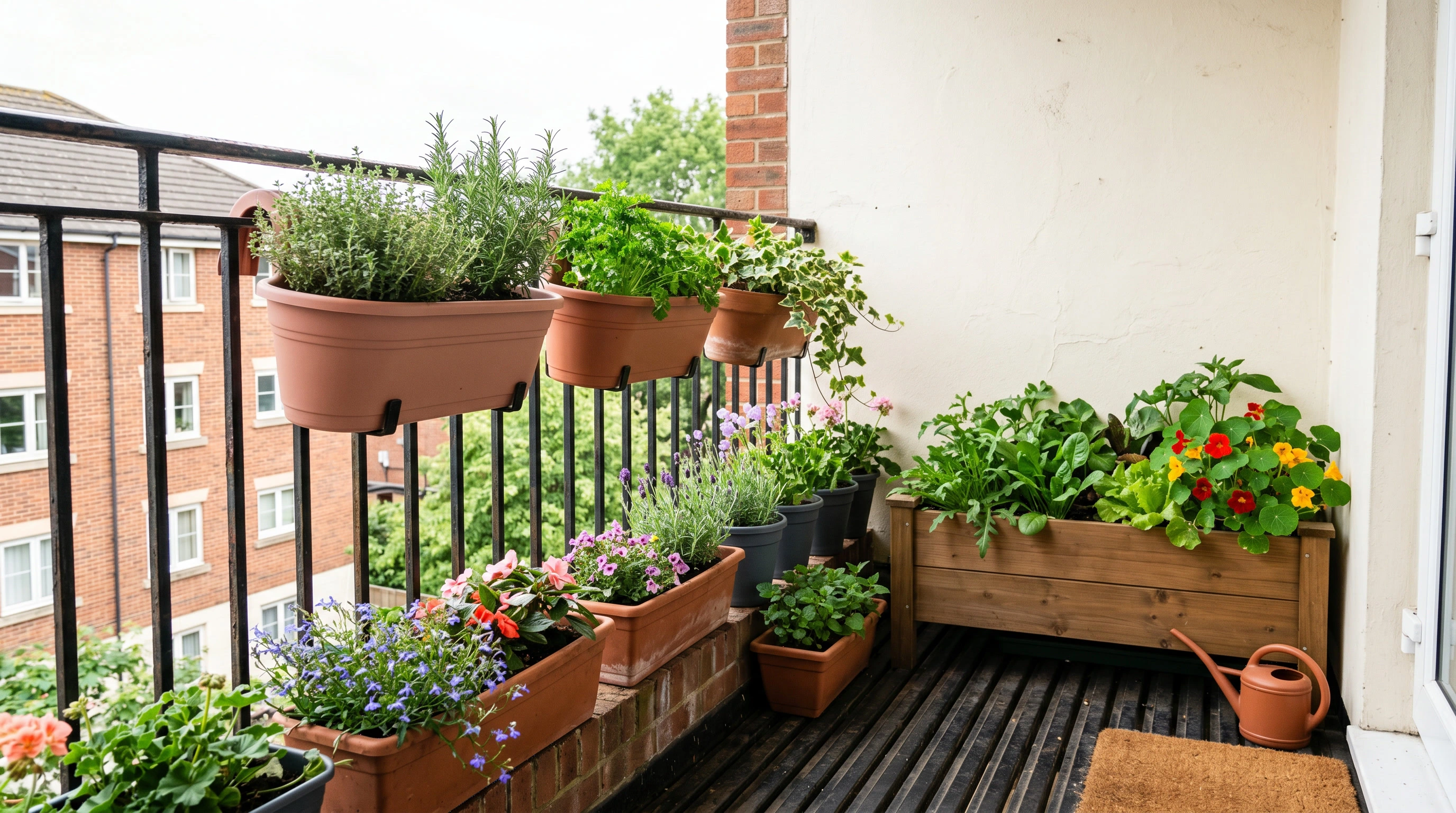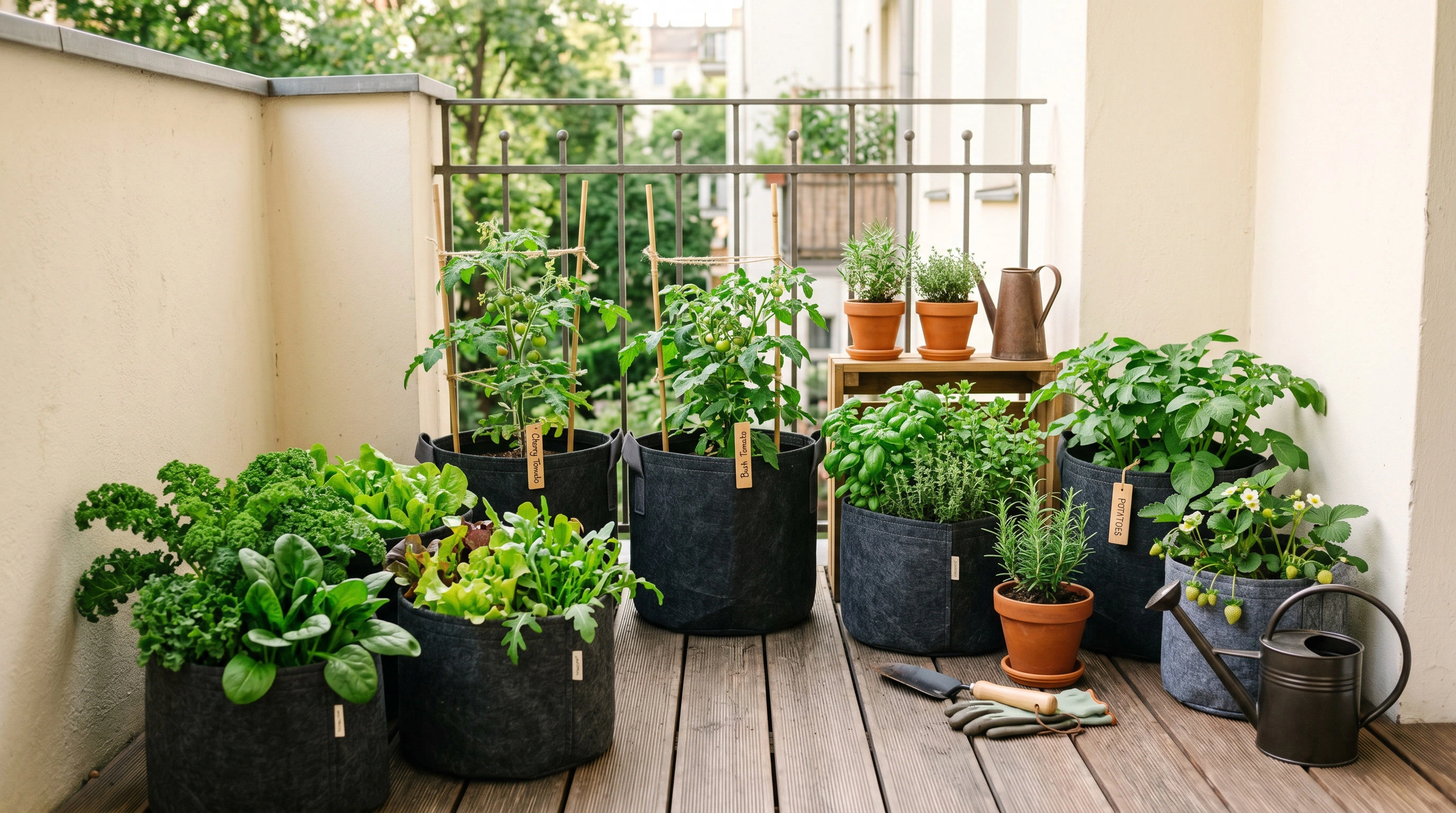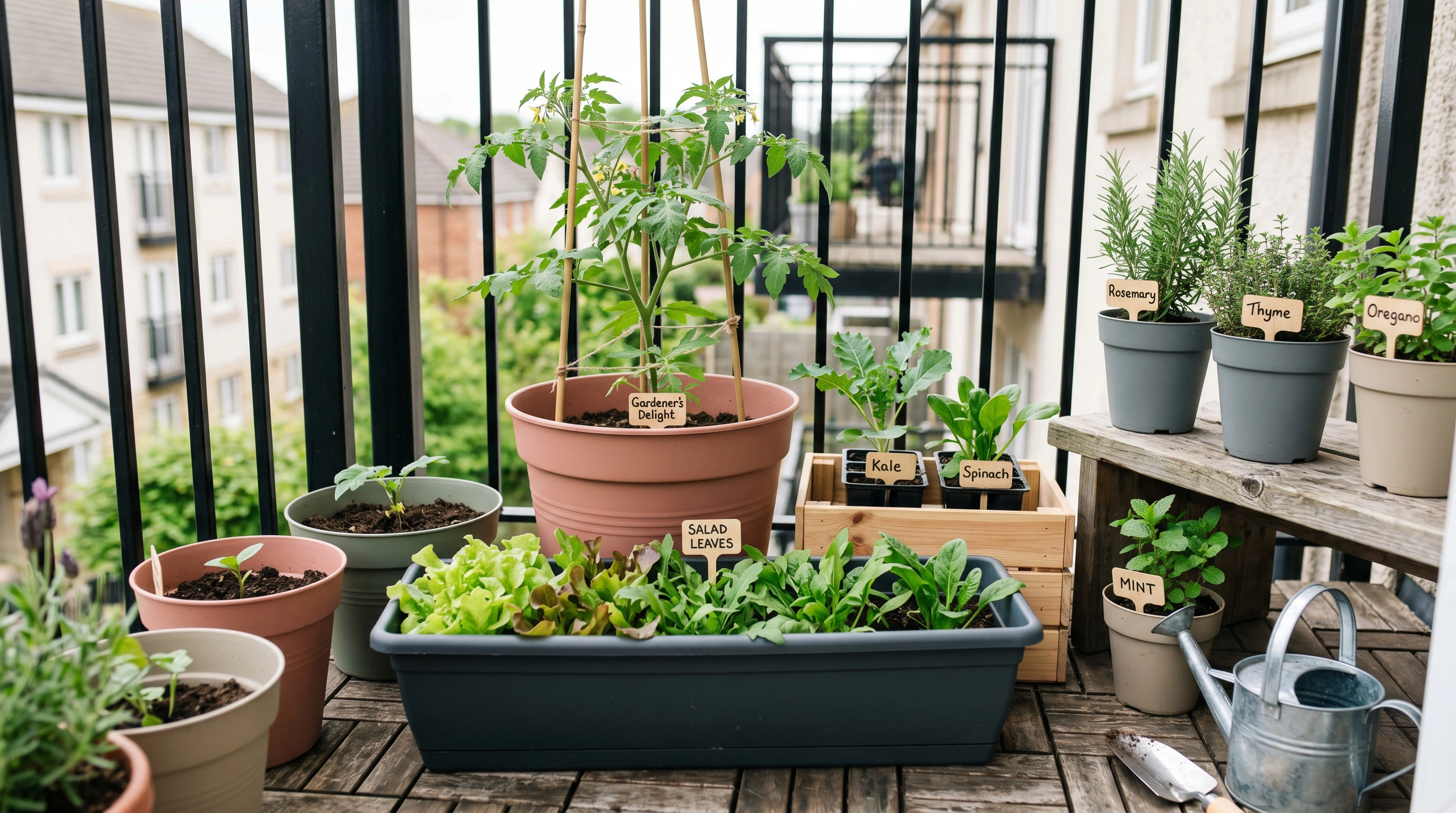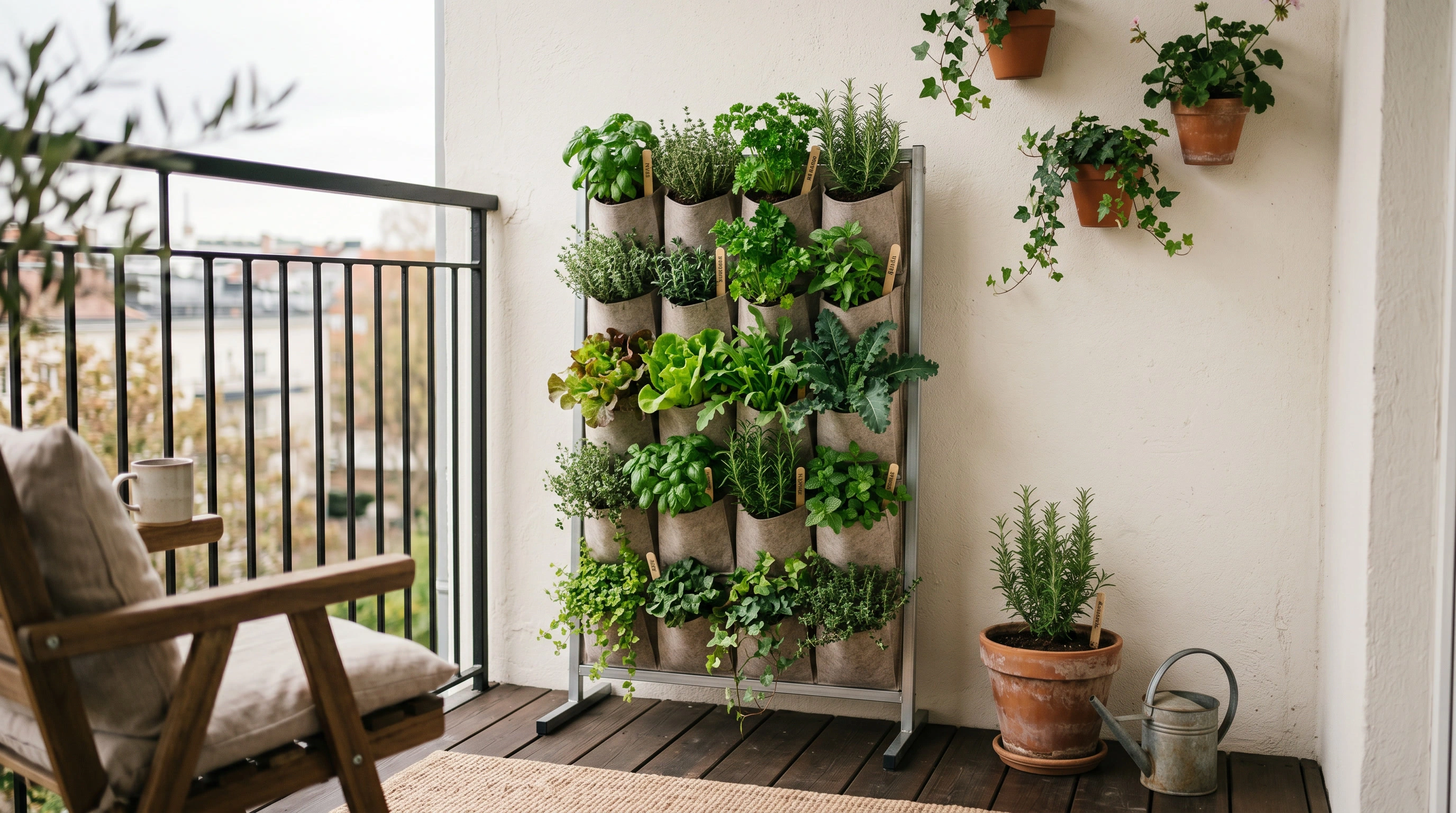
Vertical planters can be useful in small spaces, but they are not automatically better than normal pots. They save floor space, help organise herbs and leafy crops, and can make a balcony or patio feel more productive. They can also be awkward to water, unstable in wind, and disappointing if the pockets are too small.
The best vertical planter is not the tallest one or the one with the most planting pockets. It is the one you can water properly, keep stable, and match to crops that actually suit shallow or compact growing spaces.
This guide explains when vertical planters are worth using, what crops they suit, what to avoid, and how to decide whether a vertical setup makes sense for a rented balcony, patio or small outdoor space.
Who this guide is for
This article is for small-space growers deciding whether a vertical planter is a practical buy. It is especially relevant if you have a balcony, patio, doorstep, compact yard or rented home where floor space is limited.
If you are still working out the basics of growing in containers, start with Container Gardening for Beginners: A UK Small-Space Guide. If you want a wider kit overview, read the Small-Space Gardening Kit List.
What vertical planters are good for
Vertical planters are most useful when floor space is limited but you still have enough light and access for regular watering. They can turn a blank wall, railing area or narrow balcony corner into a growing area without covering the whole floor.
They work best for crops that stay compact and do not need deep root space. Herbs, salad leaves, strawberries and small leafy crops are usually more realistic than large vegetables.
Vertical planters can also help organise a small setup. Instead of scattering ten small pots across a balcony, you can keep a few related crops together in one structure.
When vertical planters are not worth it
A vertical planter is not worth it if it makes watering harder, blocks light, catches too much wind or gives each plant too little compost. Many vertical systems look productive in product photos but have small pockets that dry quickly in real use.
They are also less useful if your space already has good floor space for normal pots. A simple trough or medium pot can be easier to water, cheaper, and better for plant roots.
Do not buy a vertical planter just because it saves space on paper. It needs to save space while still being easy to maintain.
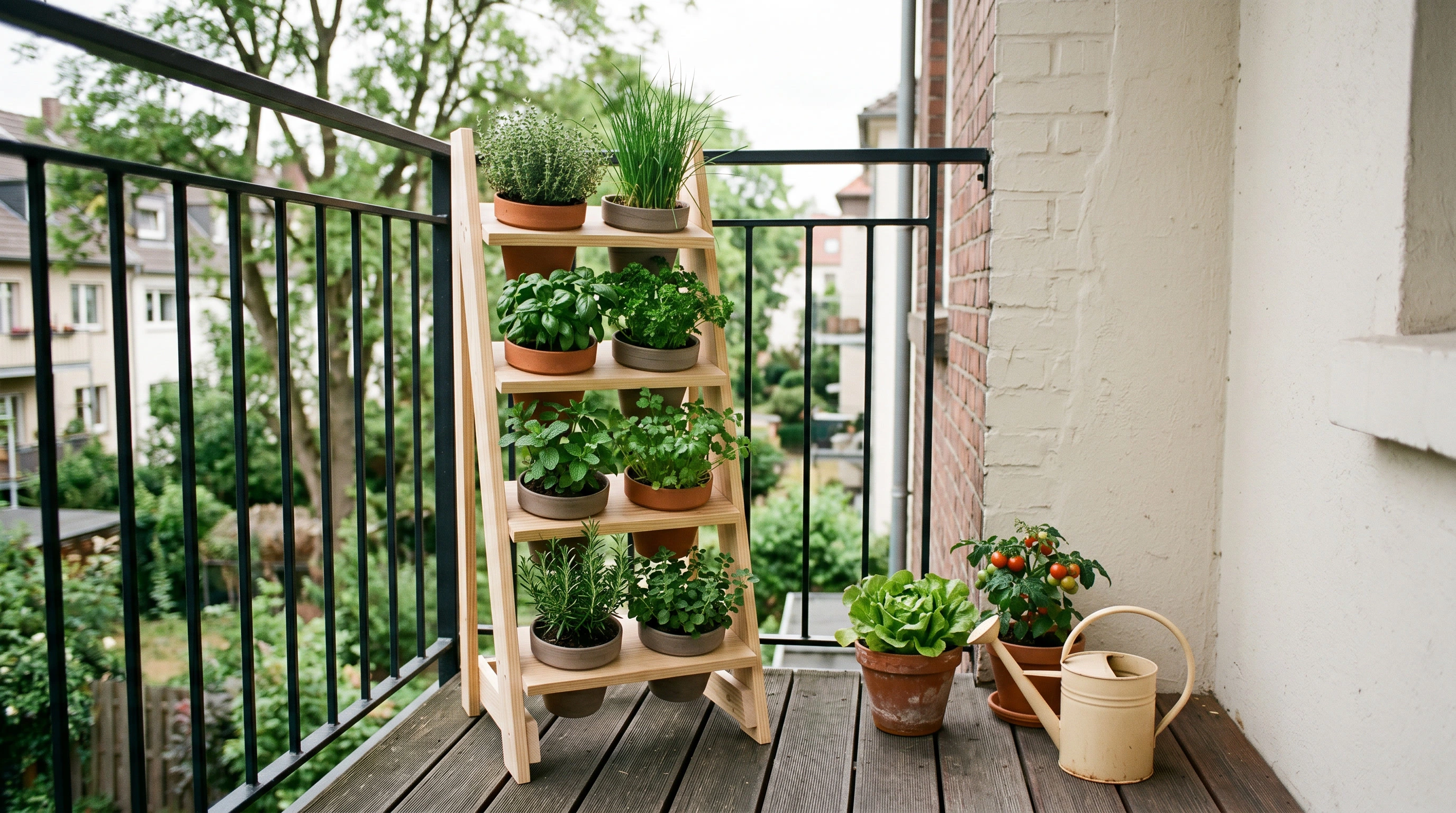
Types of vertical planters
Tiered planters
Tiered planters use shelves, steps or stacked trays. They are often easier to water than pocket systems because each container is visible and accessible. They can work well for herbs, salad leaves and strawberries.
Pocket planters
Pocket planters use fabric or plastic pockets. They can fit many plants into a small area, but each pocket may hold little compost. That means faster drying and more uneven watering.
Stacking planters
Stacking planters build upwards from a base. They can work for strawberries and herbs, but the top and bottom sections may dry at different rates. Stability matters, especially outdoors.
Wall-mounted planters
Wall-mounted planters can look tidy, but they are not always renter-friendly. They may need drilling, strong fixings or permission. They also need careful drainage so water does not stain walls or drip onto neighbours.
Freestanding vertical planters
Freestanding versions are usually the simplest for renters. They can be moved, tested in different positions, and removed when needed. They are still affected by wind, so choose a stable design with a sensible base.
Best crops for vertical planters
The best crops for vertical planters are compact, useful and tolerant of limited root space.
- Herbs: parsley, chives, thyme, mint in a controlled pocket or separate pot, and oregano can work well.
- Salad leaves: loose-leaf lettuce and cut-and-come-again mixes suit shallow sections.
- Strawberries: good for baskets, pockets and tiered systems if watering is reliable.
- Spring onions: useful in narrow pockets or trough-style sections.
- Pea shoots: practical for shallow trays and quick harvests.
- Small leafy crops: some spinach, chard or leafy greens can work if the planter has enough compost volume.
If you want more crop ideas for small containers, read Best Vegetables to Grow in Pots in the UK.
Crops to avoid
Avoid crops that need deep roots, heavy support or large compost volume. Vertical planters are usually not the best choice for full-size tomatoes, courgettes, pumpkins, large brassicas, maincrop potatoes or tall climbing beans.
Compact tomatoes may work in larger tiered systems or separate pots, but they are usually better in a stable container with more compost. In a small pocket planter, they will usually dry too quickly and become difficult to support.
Use vertical space for crops that suit it, not as a way to force large vegetables into a small area.
Light and placement
Vertical planters can create their own shade. Upper rows may get more light while lower rows sit in shadow, especially on narrow balconies or against walls. This matters when planting mixed crops.
Place sun-loving crops near the brightest sections and lower-light tolerant crops in slightly shaded sections. Rotate smaller containers if possible, but avoid constant rearranging if the planter is heavy or unstable.
Before buying, check whether the proposed position gets enough light for the crops you want. For help with this, read How Much Sunlight Do Herbs and Vegetables Need?.
Watering challenges
Watering is the main drawback of vertical planters. Different rows or pockets can dry at different speeds. Top sections may dry quickly from sun and wind, while lower sections may stay damp if water drains downward.
Check each section rather than assuming the whole planter has the same moisture level. Water slowly so compost absorbs moisture instead of running straight out. If a pocket or tier dries much faster than the rest, move thirstier crops elsewhere and use that section for tougher herbs or short-cycle leaves.
For wider watering advice, read How Often Should You Water Plants in Pots in the UK?.
Renter and balcony practicalities
For renters, the safest vertical planter is usually freestanding, removable and stable. Avoid anything that requires drilling, permanent fixing or heavy wall mounting unless you have permission and suitable fixings.
On balconies, consider wind, runoff and weight. A tall lightweight planter may tip in exposed conditions. A wall pocket system may drip down the wall or onto neighbours. A large wooden planter may become heavy once filled with wet compost.
Before setting one up, check:
- Can it stand securely in wind?
- Can you water every section safely?
- Will water drip where it should not?
- Can you move it if you need to clean or leave the property?
- Does it block access or shared space?
This site provides practical growing guidance, not structural or legal advice. Check tenancy, building and balcony rules before fixing anything to walls, railings or shared structures.
Freestanding vs wall-mounted
Freestanding vertical planters are usually better for beginners and renters. They are easier to test, move and remove. They also reduce the risk of damaging walls or using unsuitable fixings.
Wall-mounted planters can be useful in owned spaces or where proper fixings are allowed, but they need more planning. You must think about weight, drainage, wall staining, access for watering and whether the structure can safely hold the full wet load.
If you are unsure, choose freestanding first. You can always upgrade later once you know how vertical growing fits your routine.
Common mistakes and fixes
Mistake: buying too many pockets
Fix: choose fewer, larger growing sections instead of lots of tiny pockets that dry out quickly.
Mistake: using large crops
Fix: use herbs, salad leaves, strawberries and compact leafy crops. Keep large vegetables in proper pots.
Mistake: ignoring watering differences
Fix: check each row or pocket separately until you know how the planter behaves.
Mistake: placing it in wind
Fix: use a sheltered position and choose a stable freestanding design with a sensible base.
Mistake: drilling before testing
Fix: use removable or freestanding options first, especially in rented homes.
If you are unsure whether vertical planters suit your space, test with a small freestanding unit before buying a large wall-mounted system.
First-month test plan
Week 1: choose one bright, sheltered position and check whether a vertical planter would be easy to water there.
Week 2: set up a small freestanding planter with herbs, salad leaves or strawberries rather than demanding vegetables.
Week 3: check which sections dry fastest and whether any lower sections stay too wet.
Week 4: decide whether the system saved space without making watering harder.
By the end of the first month, you should know whether vertical growing helps your setup or simply adds another maintenance problem.
FAQ
Are vertical planters worth it?
They are worth it if they save floor space without making watering, stability or access worse. They are best for compact crops, not large vegetables.
What can you grow in a vertical planter?
Herbs, salad leaves, strawberries, spring onions, pea shoots and some small leafy crops are good choices.
Are vertical planters good for balconies?
They can be, especially freestanding designs. Choose stable planters, avoid blocking access, and be careful with wind and water runoff.
Are vertical planters good for renters?
Freestanding vertical planters can be renter-friendly. Wall-mounted systems are more complicated because they may need permission, drilling or stronger fixings.
Do vertical planters dry out quickly?
Some do, especially pocket systems with small compost volume. Check moisture section by section rather than assuming the whole planter dries evenly.
Are vertical planters better than pots?
Not always. Pots are often easier to water and better for deeper-rooted crops. Vertical planters are useful when floor space is limited and the crops suit compact growing spaces.
Related guides
- Beginner’s Guide to Small-Space Gardening for UK Renters
- Container Gardening for Beginners: A UK Small-Space Guide
- Lightweight Vertical Planters for Small Spaces in the UK
- Balcony Planters: How to Choose the Right Type for a Small Outdoor Space
- How to Protect Balcony Plants from Wind
Next step
Before buying a vertical planter, choose the crops first and check whether you can water every section easily. If you want to compare lighter options, read Lightweight Vertical Planters for Small Spaces in the UK. If you are still deciding between container types, start with How to Choose Pots for Balcony and Windowsill Gardening.